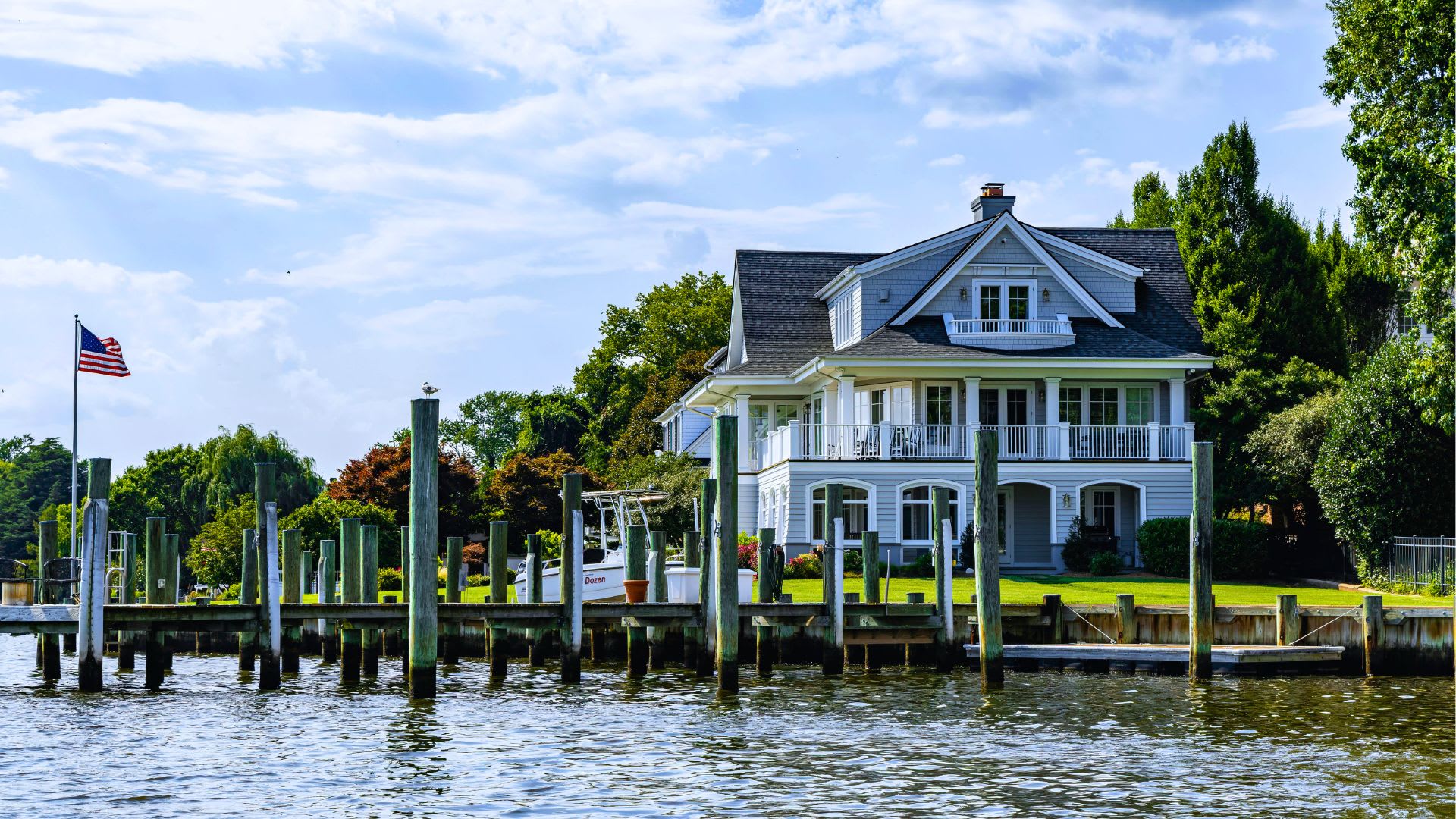
If you’ve been dreaming about living in a coastal or lakeside community and you’re browsing waterfront homes for sale, you may be wondering about the full costs of owning this type of property. Some of the expenses may already be on your radar, but others, such as flood insurance, erosion, dock maintenance, and taxes, could come as a surprise. Learning about them in advance will help you establish a budget that works for you.
Insurance
One of the biggest items you’ll need to budget for is insurance. In some regions, your homeowner’s insurance won’t be different from a regular inland home, but in others, it’s a significant portion of the annual expense of owning a home.
In many areas, including inland, flood insurance is recommended. Homes on the coast often need coverage for tropical storms in addition to flood and standard homeowner’s insurance. Oceanfront homes, particularly in Florida, Georgia, and South Carolina, where wind and salt water have caused widespread damage in the past, tend to have the highest insurance costs. However, if you’re looking at waterfront homes for sale in Michigan or lakefront properties in New Hampshire, you’ll still need to take insurance costs into account.
Insurance premiums for a waterfront home are influenced by flood zone classification, the elevation of the property, the distance from the shoreline, and historical weather patterns. Consider all these factors when you’re house-hunting and get quotes from insurance companies before you firm up a deal.
This table lists the average insurance cost ranges for a waterfront home in six different states. Actual costs vary widely, so verify them in advance of making an offer on a property.
| Typical Insurance Cost Ranges | ||||
| State | Homeowners Insurance | Flood Insurance | Hurricane / Storm Coverage | Key Risks |
| Florida | $5,900 – $10,000+ | ~$750 | $1,000 – $3,000 | Hurricanes, storm surge, flooding |
| South Carolina | $2,500 – $4,000 | ~$700 – $900 | $500 – $1,500 | Coastal storms, flooding |
| Georgia | $2,000 – $3,500 | ~$700 – $800 | $300 – $1,000 | Coastal storms, humidity |
| Michigan | $1,800 – $3,500 | ~$700 – $800 | Minimal | Great Lakes flooding, freeze/thaw |
| Maine | $1,200 – $2,200 | ~$900+ | Minimal | Coastal storms, erosion |
| New Hampshire | $900 – $1,800 | ~$800 | Minimal | Lake flooding, snow/ice damage |
Weather Exposure
In addition to higher insurance costs, coastal regions that are prone to tropical storms also face strong winds, salt air corrosion, and flooding risks. Over time, this can lead to quicker deterioration of exteriors, more frequent repairs, and higher air conditioning costs due to the need to control interior humidity.
Erosion and Shoreline Issues
When you’re looking at waterfront homes for sale, consider how shoreline changes can affect your property. Erosion is often gradual rather than dramatic, but managing it can be expensive. Costs can include reinforcing the shoreline, installing retaining walls, and repairing land loss after storms. Oceanfront properties are the ones that are most severely affected by erosion, but don’t overlook the damage that can be caused to shorelines on lakes by wind and waves.
Dock Maintenance and Repairs
Dock maintenance can include structural repairs, replacement of worn boards, and electrical and lighting upkeep. In colder climates like Michigan and New Hampshire, docks may also need to be removed in the winter.
Property Taxes
Because a waterfront home is typically more valuable, these properties often come with higher property taxes. Taxes vary widely by state and even within each state, but since historical rates are easy to find, you can factor this expense into your budget before you begin shopping.
Utilities and Infrastructure
Not every waterfront home has access to standard municipal infrastructure. Depending on the location, you may need to maintain a septic system, a well for running water, and a private road. You may also need to pay more for utilities and Internet service. When looking at waterfront homes for sale, ask for maintenance records and typical monthly costs.
Financing Considerations
Lenders may consider waterfront properties to be higher risk. In these cases, loan requirements can be more stringent, and your financing costs might be higher. You may also need to shop around for a provider willing to offer financing.
Lifestyle Related Costs
Although they are optional, waterfront living comes with lifestyle costs like boat ownership and seasonal storage, outdoor maintenance, and landscaping. If you’re looking at Florida waterfront homes for sale, you’ll definitely have visitors, so think about things like extra outdoor furniture, beach towels, extra sheets and blankets, and beach chairs.
Tips for Buying Waterfront Homes for Sale
If you’re considering buying a waterfront home, these tips will help you keep costs down and avoid making an offer on a property outside your budget:
- Research insurance before making an offer. Get quotes rather than looking at historical prices, as they can change in response to very recent events.
- Budget for shoreline protection and regular upkeep. Ask your real estate agent about average costs.
- Check on the age of things that may need to be serviced or replaced soon, such as the septic system and the well.
- Make sure you understand local regulations around things like waterfront structures and docks if you’re thinking of adding them to the property.
- Look beyond the main waterfront homes for sale in your target area. You may be surprised to find properties that have more of what you’re looking for with lower costs. For example, if you’re interested in a seaside home, don’t overlook properties on the Great Lakes, where you can get endless water views at a fraction of the cost.
When looking at waterfront homes for sale, always work with a local real estate agent. They will help you find properties that are not in the public listings or that are outside your primary search area. They can also give you insights into the real costs of waterfront home ownership nearby.
FAQs About Owning a Waterfront Home
What are the hidden costs of owning a waterfront home?
The hidden costs of owning a waterfront home often include higher insurance premiums, flood coverage, storm or hurricane protection, shoreline maintenance, erosion control, dock repairs, higher property taxes, and extra upkeep caused by moisture, salt air, wind, or seasonal exposure. Depending on the location, buyers may also need to budget for septic systems, wells, private roads, or marina-related expenses.
Is insurance more expensive for waterfront homes?
Yes, insurance is often more expensive for waterfront homes, especially in coastal areas with flood risk, storm surge exposure, or a history of hurricanes and severe weather. The cost can vary based on flood zone classification, elevation, distance from the shoreline, and local weather patterns, which is why buyers should get insurance quotes before making an offer.
Are waterfront homes more expensive to maintain than inland homes?
In many cases, yes. Waterfront homes may face faster exterior wear from salt air, humidity, wind, flooding, freeze-thaw cycles, or shoreline erosion. Owners may also need to maintain docks, seawalls, retaining systems, landscaping, and water-facing structures more often than they would with a typical inland property.