There is a saying that gets thrown around a lot in real estate: “You make your money when you buy.” The idea is simple. Find a property priced well below market value, get in at a good number, and the equity is already there before you even close. It sounds great in theory, and honestly, sometimes it works out exactly that way. But here is what that saying leaves out: a low price tag does not tell you anything about what is hiding behind the walls, underneath the floors, or beneath the foundation.
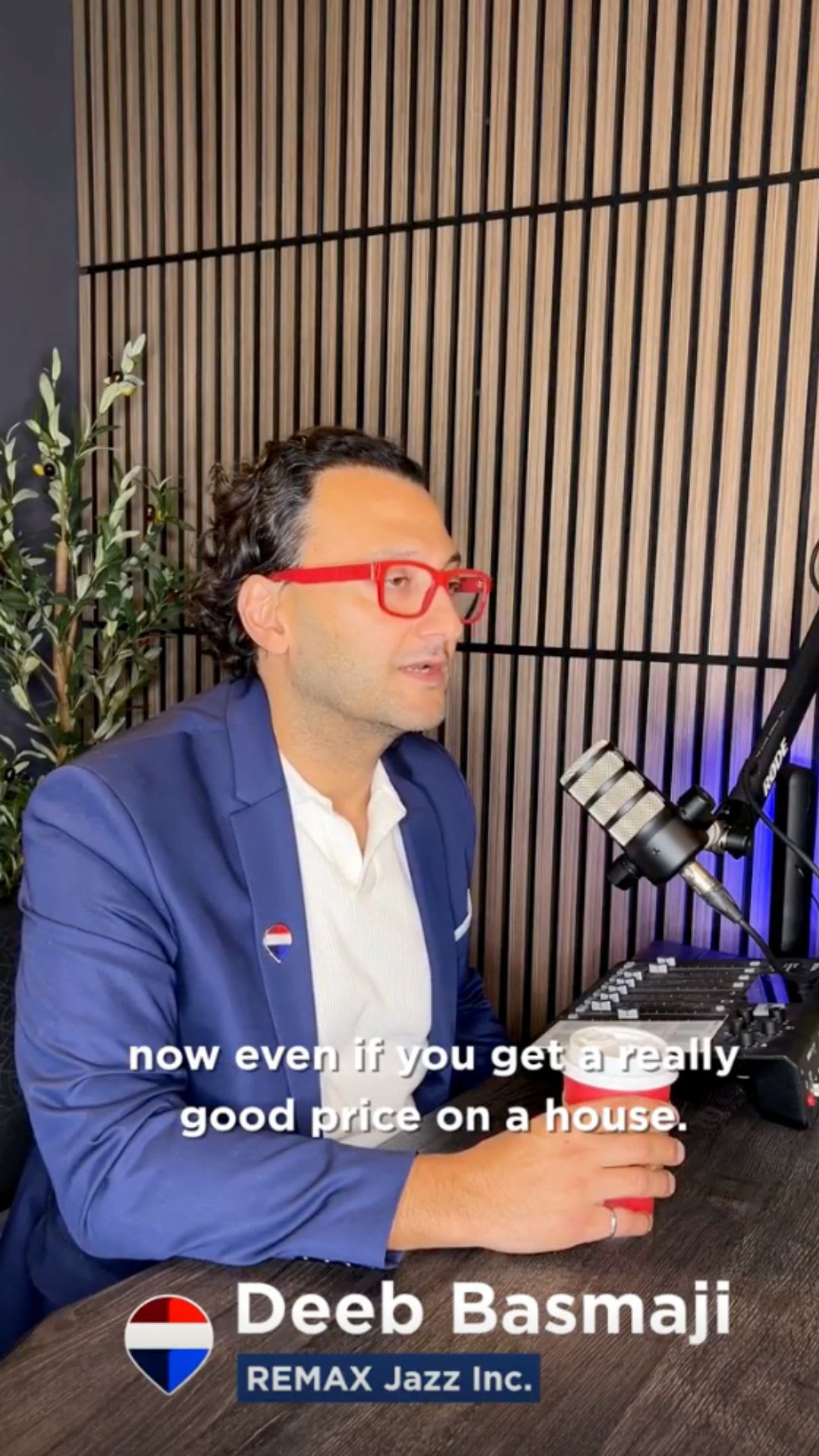
Right now, in this market, home inspections are more important than ever. Just ask REMAX agent Deeb Basmaji, who recently watched a client nearly make a very expensive mistake, and whose story is a reminder of why skipping the inspection is never worth the risk.
The Deal That Looked Too Good to Pass Up
Basmaji’s client found a property priced aggressively. The kind of number that makes buyers lean forward in their chairs. The location was right, the square footage worked, and the price gave them room to breathe financially. Everything on paper pointed toward moving forward.
But Basmaji ordered a home inspection, as he does on every transaction without exception. And what came back stopped them in their tracks.
The inspection flagged foundational issues. Not minor settling, not cosmetic cracking. Actual foundational concerns serious enough to bring in structural contractors for quotes. One by one, they walked through the property, assessed the scope of the problem, and delivered their honest numbers.
“The price was amazing,” Basmaji said. “It’s one of those prices where you say, oh maybe I’ll just go in and deal with it afterwards. But the home inspection revealed that no, we shouldn’t do that.”
When the cost of properly addressing the foundation was added up, the deal no longer made sense. The attractive purchase price disappeared quickly once structural repairs entered the picture, and with foundational work, scope has a way of growing once contractors get deeper into the problem. Basmaji and his client walked away.
“We got out of the deal safe and sound,” he said. “And we saved our buyer a lot of headache.”
The Temptation to Skip It
When a price is that good, there is a real temptation to rationalize skipping the inspection or minimizing what it might turn up. The thinking goes something like: “Maybe I’ll just go in and deal with whatever comes up later. The price is so good that I have room to absorb some repairs.”
It is an understandable instinct. When you are excited about a property and the numbers look attractive, risk starts to feel manageable. You tell yourself the deal is strong enough to absorb whatever surprises come up.
The problem is that foundational issues are not the kind of surprise you absorb. They are the kind that can cost tens of thousands of dollars, take months to properly address, and in the worst cases, affect the long-term stability and resale value of the home. A great purchase price does not protect you from that. It just means you paid less before the problems started.
What a Home Inspection Actually Does for You
A home inspection gives you information. That is the core of it. And information is the most valuable thing you can have before committing to one of the largest financial decisions of your life.
A licensed home inspector walks through the property systematically, evaluating everything from the roof to the foundation, the electrical systems, the plumbing, the HVAC, windows, and insulation. They document what they find and provide a detailed report that tells you what you are buying, not just what the listing described.
From there, you have options. You can negotiate with the seller to address specific issues before closing. You can ask for a price reduction that reflects the cost of repairs. You can request credits at closing. Or, like Basmaji’s client, you can use what the inspection reveals to walk away entirely within the terms of your contract, without losing your deposit.
That last option is significant. The inspection is not just about knowing what repairs to budget for. It is also a legitimate off-ramp if what you find changes the calculus of the deal completely.
Every Transaction, No Exceptions
Some buyers, especially in competitive markets, have considered waiving the inspection to make their offer more attractive to a seller. The short-term advantage of a cleaner offer is not worth the long-term risk of buying a property blind.
Whether you are purchasing a brand-new build, a renovated home, or a fixer-upper with a price that makes your eyes light up, the inspection matters. New construction has its own set of issues that inspectors regularly catch. Renovated homes sometimes hide problems under fresh paint and new finishes. And deeply discounted homes, as Basmaji’s experience shows, can carry risks that completely reframe what seemed like an incredible opportunity.
A few hundred dollars spent on a home inspection is one of the most rational investments you can make in the buying process. It is not a formality. It is protection.
Basmaji’s client came out of that deal with their finances intact and without inheriting a structural problem that could have followed them for years. That outcome did not happen by luck. It happened because the inspection was taken seriously and the findings were acted on.
If you are buying a home right now, no matter how strong the deal looks, get the inspection. Every time.