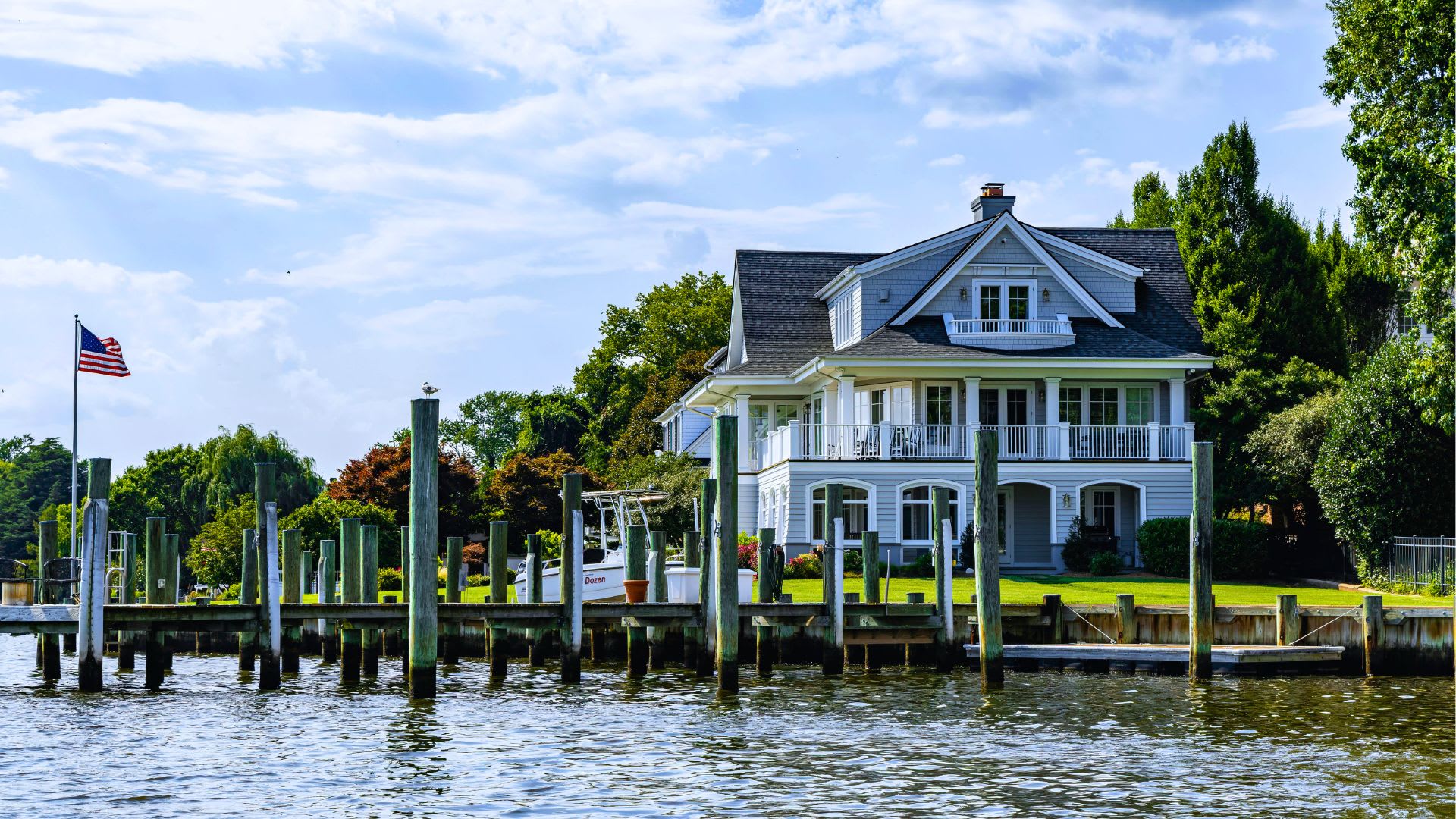
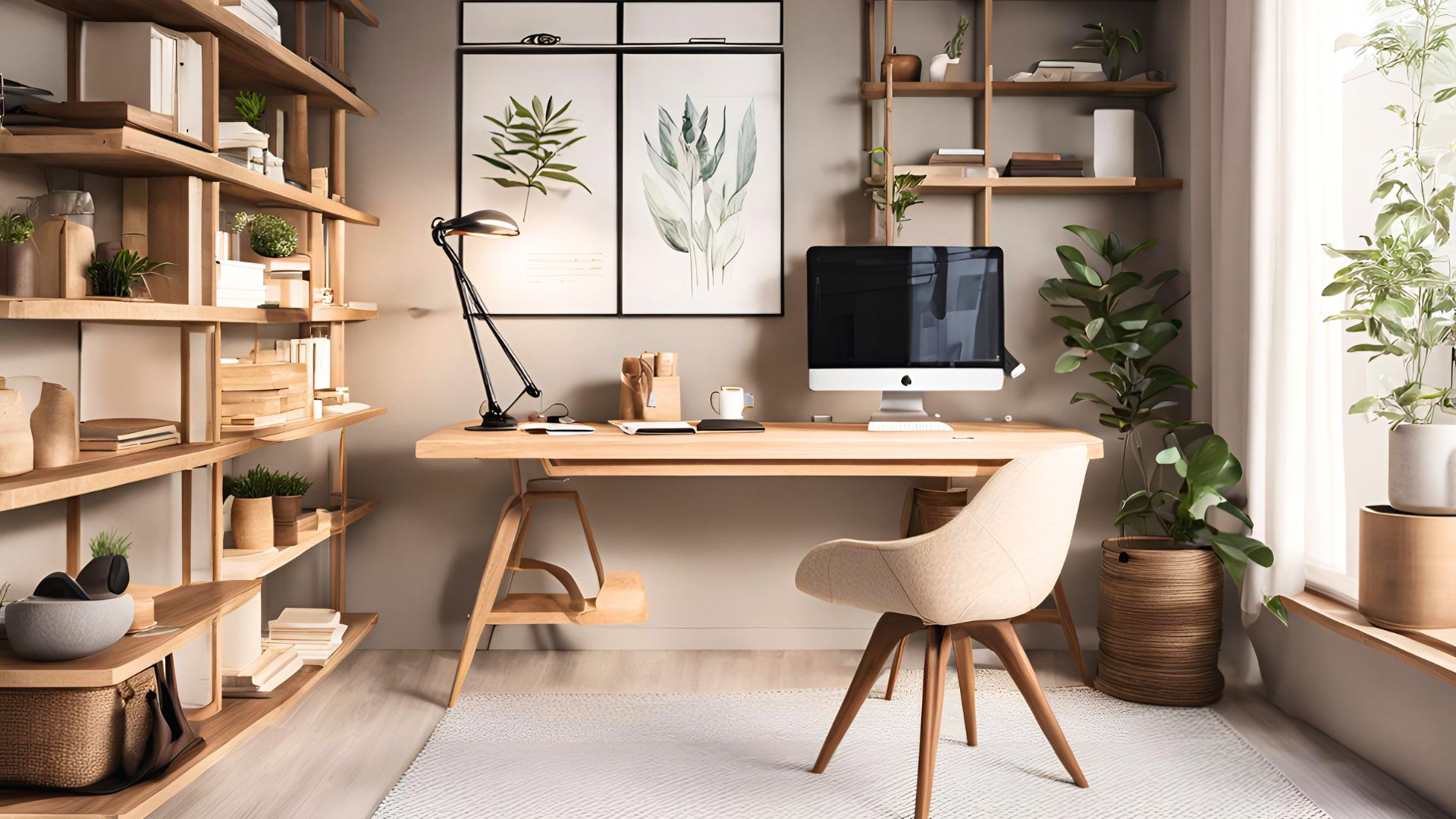
Multigenerational homes are on the rise because more families need housing that supports shared costs, caregiving, privacy, and flexible living. These homes often allow parents, adult children, grandparents, or extended family members to live under one roof while still keeping some separation. The right multigenerational home is not just a larger home. It needs a layout that supports daily routines, private space, accessibility, parking, storage, and the way each generation plans to live together.
Quick answer: A multigenerational home is designed to support two or more adult generations living together while balancing privacy, accessibility, shared spaces, and day-to-day functionality.
Key Takeaways
- A multigenerational home usually supports two or more adult generations living under one roof.
- Multigenerational homes are on the rise because families are looking for more flexible ways to manage housing costs, caregiving, aging parents and adult children living at home.
- Strong multigenerational living homes balance shared spaces with private bedrooms, bathrooms, and flexible living areas.
- Buyers should review layout, privacy, accessibility, parking, storage, zoning rules and HOA restrictions before choosing a home.
- Sellers with homes for extended families should highlight bedroom separation, main-floor living, private areas, storage and flexible use of space.
What is a Multigenerational Home?
A multigenerational home is a property where two or more adult generations live under one roof. This may include parents and adult children, grandparents and grandchildren, extended family members, or blended families who share the same home. Not every large home works well for multigenerational living. A true multigenerational home usually needs more than extra bedrooms. It should offer a layout that supports privacy, shared routines, and different needs within the same household.
Common features may include:
- Main-floor bedrooms
- Separate bedroom areas
- Private bathrooms
- Flexible living rooms or bonus rooms
- Separate entrances
- Kitchenette or secondary kitchen options
- Extra parking
- Storage space
- Outdoor areas
- Accessibility features
Multigenerational homes can look different from one family to another. Some households want a full in-law suite. Others need a first-floor bedroom for aging parents, a private area for an adult child, or enough space for extended family to stay comfortably.
Why Multigenerational Homes Are on the Rise
Nowadays, families need more flexible ways to manage housing costs, caregiving, and daily support. For many households, living together is creating a home that works for more than one generation.
Shared Housing Costs
Housing affordability is one of the main reasons families consider multigenerational homes. A multigenerational home may help family members share certain costs, but it depends on the home, mortgage, utilities, maintenance, and privacy needs.
Financing Considerations
Buyers considering multigenerational living should discuss financing options early in the process. Larger homes may require larger down payments, higher insurance costs, and different qualification requirements depending on who will be contributing to household expenses.
Caregiving and Aging Parents
Many families want aging parents nearby while still giving them privacy and independence. A home with a main-floor bedroom, private bathroom, or separate living area can make daily care easier without making everyone feel crowded.
Adult Children Living at Home Longer
Some adult children stay home longer while saving money, attending school, starting careers, or preparing to buy a home of their own. A finished basement, separate entrance, or private bedroom area can help adult children stay connected to the family while still having some independence.
Childcare and Shared Responsibilities
In some households, grandparents help with childcare, school pickups, or daily routines. Extended family members may also share cooking, transportation, errands, or home maintenance.
Cultural and Family Preferences
For many families, multigenerational living is already familiar. Living with parents, grandparents, or extended relatives can support connection, shared decision-making, and care across generations.
What Buyers Should Look for in Multigenerational Living Homes
A larger home is not always the better fit if the layout forces everyone into the same shared areas all the time. Families who are considering buying a multigenerational home look for:
Bedroom Separation
A bedroom near the main living area may work for a parent who wants easy access to the kitchen and family room. A separate bedroom wing, finished lower level, or private suite may work better for an adult child or extended family member who wants more independence.
Private Bathrooms
Private or semi-private bathrooms can make daily life easier. When several adults share a home, access to bathrooms can affect privacy, comfort, and routine.
Flexible Living Areas
A second living room, an additional room, a finished basement, or a loft can give the household more options when renovating or upgrading the home. These spaces can work as a sitting area, home office, playroom, media room, or private retreat.
Main-Floor Living
Main-floor bedrooms and bathrooms can be important for aging parents or family members with mobility needs. Buyers should also review stairs, hallway width, bathroom access, and how easy it is to move in the home.
Parking and Storage
More adults often means more cars, more belongings, and more daily activity. Driveway space, garage capacity, closet storage, basement storage, and outdoor storage can all matter more in a multigenerational home than in a standard household.
Local Rules and Restrictions Also Matter
Local rules matter if the property has a second kitchen, an accessory dwelling unit, a basement apartment, or a separate living space. Rules can vary by city, county, state, homeowners’ association, and property type. Some areas may allow accessory dwelling units. Others may have limits on separate kitchens, rental use, parking, occupancy, or exterior changes.
Buyers should confirm details such as:
- Local zoning rules
- Permit history
- HOA restrictions
- Rental or occupancy rules
- Accessory dwelling unit requirements
- Insurance considerations
- Utility setup
- Safety and building code requirements
This does not mean buyers should avoid these homes. A local real estate professional can help buyers ask the right questions, but buyers should also speak with the proper legal, insurance, or zoning professionals when needed.
Frequently Asked Questions
What is a multigenerational home?
A multigenerational home is a property where two or more adult generations live under one roof. This may include parents, adult children, grandparents, grandchildren, or other extended family members who share the same home.
What features should buyers look for in multigenerational homes?
Buyers should look for bedroom separation, private bathrooms, flexible living areas, main-floor bedrooms, storage, parking, and accessibility. The right layout should support both shared time and privacy.
Are multigenerational homes good for resale?
Multigenerational homes can appeal to a broad range of buyers, including families caring for aging parents, households with adult children, and buyers seeking flexible living arrangements. Resale value depends on location, layout, local demand, and whether the home’s features remain useful even for buyers who are not specifically seeking multigenerational living.
Buying a Multigenerational Home
Multigenerational homes are on the rise as more families look for ways to manage rising housing costs, inflation, share responsibilities, support aging parents, and create more flexible living arrangements. The right home is not simply the largest one. It is the one with a layout that supports privacy, accessibility, and daily routines for everyone living there.
If you are considering a multigenerational home, a local REMAX agent can help you compare layouts, review local rules, and find a property that fits your family’s needs.