Four trends define home design in summer 2026: seamless indoor-outdoor living, soft minimalism, Mediterranean revival and dedicated wellness spaces. They share more than a season. All four favor natural materials and warm neutrals, and all four rethink rooms around daily life instead of formality.
The wall between the kitchen and the patio is disappearing. Minimalism is getting warmer. Stone and terracotta are back. And the formal dining room is losing ground to the sauna. Here is what each trend looks like in real homes, and what it signals for buyers and sellers this season.
Key Takeaways
- Seamless indoor-outdoor living treats the patio as a real room, with outdoor kitchens and shaded lounges furnished like interiors.
- Soft minimalism warms up minimalist design with curved furniture and neutrals like sand, clay and sun-bleached stone.
- Mediterranean revival builds on stone, terracotta and raw wood, with muted blues and olive greens on top.
- Wellness spaces like saunas, meditation rooms and yoga terraces are replacing formal living and dining rooms.
- Buyers consistently rank outdoor features among their most wanted home elements, and wellness-focused building has grown into a major global market.
What Is Seamless Indoor-Outdoor Living?
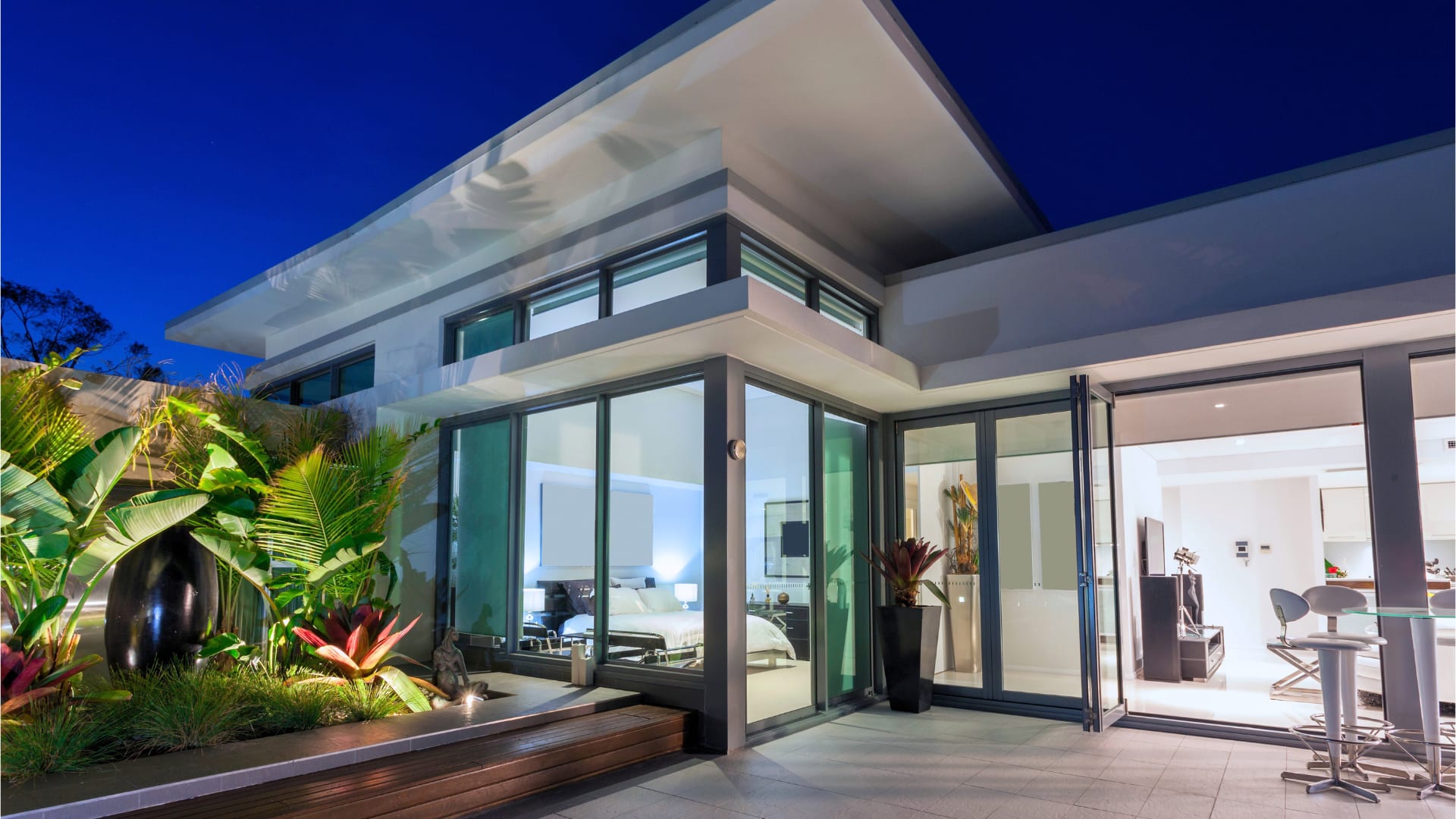
Seamless indoor-outdoor living erases the line between a home’s interior and its yard. Retractable glass walls open the living room straight onto the patio. The flooring keeps going, same material inside and out, so the transition disappears underfoot. The outdoor kitchen has grown up too. What used to be a grill on a slab is now a full entertaining space with prep counters and bar seating. And the shaded lounge nearby is furnished like an interior living room, down to the coffee table and the layered textiles.
Buyer demand backs this up. In the National Association of Home Builders’ What Home Buyers Really Want study, a patio was rated essential or desirable by 82% of buyers, among the highest marks of more than 200 features surveyed. A related industry survey found that 73% of residential design professionals favored covered outdoor rooms over a simple open yard. For sellers, a defined outdoor room can photograph like extra square footage. For buyers, it is worth asking how those structures were permitted before you write an offer. Our homebuyer’s hub covers what to check during due diligence.
What Is Soft Minimalism?
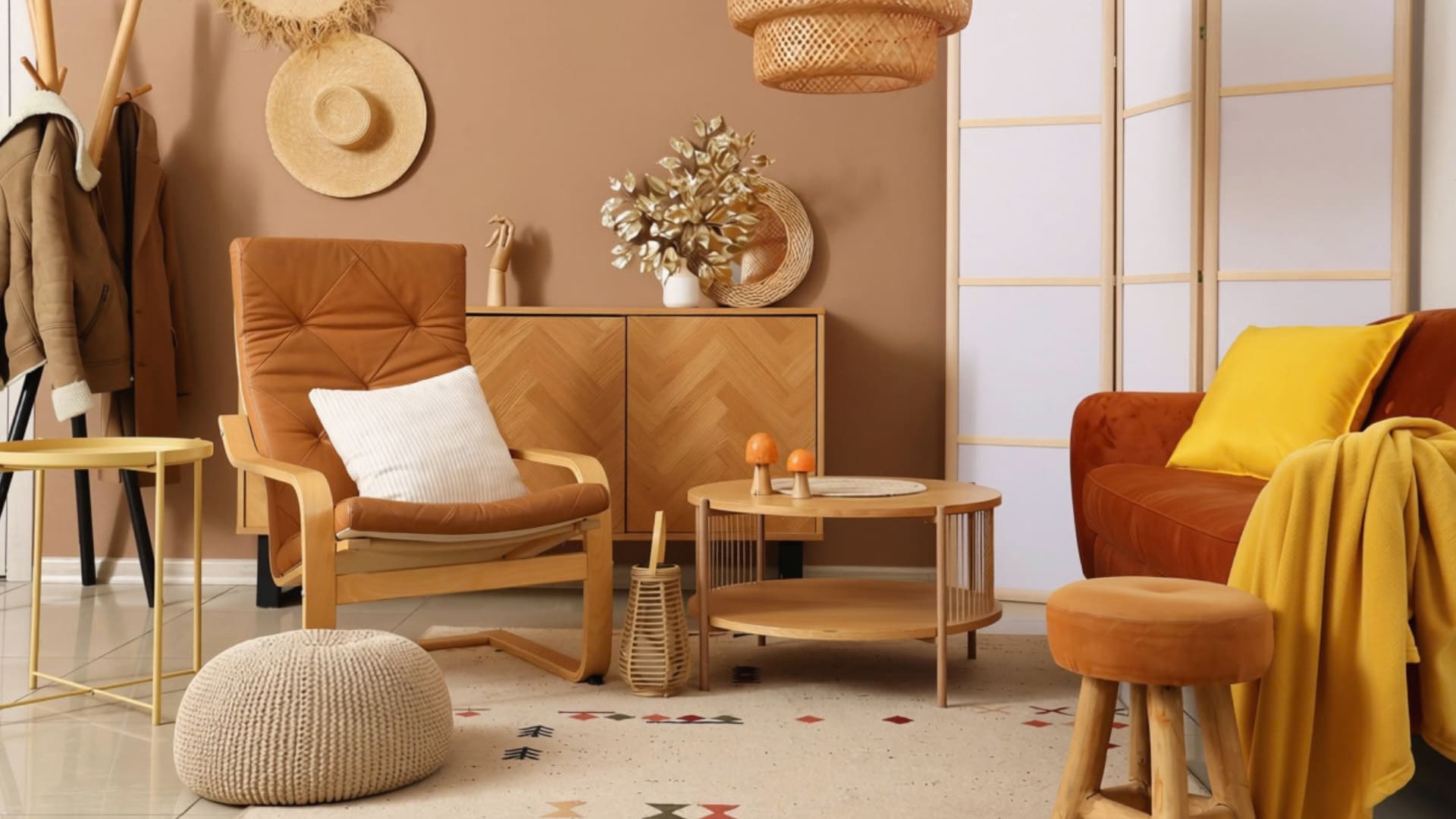
Soft minimalism keeps the restraint and drops the chill. The sharp angles and stark white walls are gone. In their place sit curved furniture, organic shapes and warm neutrals like sand, clay and sun-bleached stone. Texture does the work that color used to do. Think plaster and limewash walls, matte finishes, a boucle sofa, a nubby wool throw draped over the chaise. The room stays spare, but it finally feels lived in.
Picture a rounded sectional in oatmeal, a pair of walnut drum tables and one sculptural vase where a shelf of accessories used to be. That is the whole formula. For sellers, this is the most achievable trend to stage toward. A warm off-white on the walls, fewer but softer furniture pieces and some linen and wool will shift the entire feel of a room. No renovation required.
What Is Mediterranean Revival Style?
Mediterranean revival is the return of regional character. Stone, travertine, terracotta and raw wood form the base. Muted blues and olive greens sit on top of sun-faded neutrals. Walk into one of these rooms and you will notice the ceiling first, usually exposed wood beams, then the arched doorways and the hand-painted ceramics hung as wall art. The furniture is teak, simple and sturdy. This is not the heavy Tuscan look of the early 2000s.
Walls stay white or plaster-toned. Floors run to polished concrete or natural stone. Color comes from collected objects rather than saturated paint. The style reads most naturally in sun-drenched markets, but the materials travel well. Buyers touring homes this summer will spot terracotta tile and arched millwork in new construction and flips alike. Those materials also tend to age better than trend-driven synthetic finishes, which matters if you plan to hold the home for a while.
What Are Wellness Spaces in a Home?
Wellness spaces are rooms built for restoration, not for company. The formal living room is giving up its square footage to cold plunge and sauna combinations, meditation rooms, yoga terraces and sound-insulated quiet rooms. The entry point can be modest. A spare bedroom with a cork mat, a few floor cushions and good natural light does the job.
The market behind this shift is real. The Global Wellness Institute reported that the global wellness real estate market reached $876 billion in 2025, with the United States as the largest national market at $254 billion. The practical takeaway for homeowners is simple. Wellness features no longer read as niche. A sauna or a genuinely quiet room is now an amenity buyers can picture using the day they move in.
How Do Summer 2026 Home Trends Affect Buyers and Sellers?
For sellers, these trends amount to a staging roadmap. Warm neutrals. Edited furnishings. A defined outdoor seating area and one calm, uncluttered room. None of it requires structural work, and all of it matches what buyers are already seeing in design media.
For buyers, the trends work as a lens on cost. Retractable glass walls and outdoor kitchens are expensive to add later. Soft minimalist finishes and Mediterranean materials are mostly cosmetic. Knowing which is which helps you weigh one listing against another.
Frequently Asked Questions
What are the biggest home design trends for summer 2026?
The four defining trends are seamless indoor-outdoor living, soft minimalism, Mediterranean revival and dedicated wellness spaces. All four lean on natural materials and warm neutrals, and all four organize rooms around daily use rather than formality.
What is soft minimalism in interior design?
Soft minimalism keeps minimalist restraint but warms it up with curved furniture, organic forms and neutrals like sand, clay and sun-bleached stone. Texture leads through plaster, limewash and matte finishes, so spaces feel calm and livable rather than stark.
Do home design trends affect how a home sells?
Buyer preference research consistently shows that outdoor features like patios rank among the most wanted home elements, and staging choices influence how buyers perceive a listing. Trends do not replace fundamentals like price, condition and location, but aligning finishes and staging with current buyer taste can help a home show well.
How can sellers use summer 2026 trends without renovating?
Stick to cosmetic moves. Repaint in a warm off-white, pare furniture back to a few soft anchor pieces, add linen and wool for texture, set up a defined outdoor seating area and clear one room so it reads as a calm, flexible space. Each step aligns with the season’s trends at minimal cost.