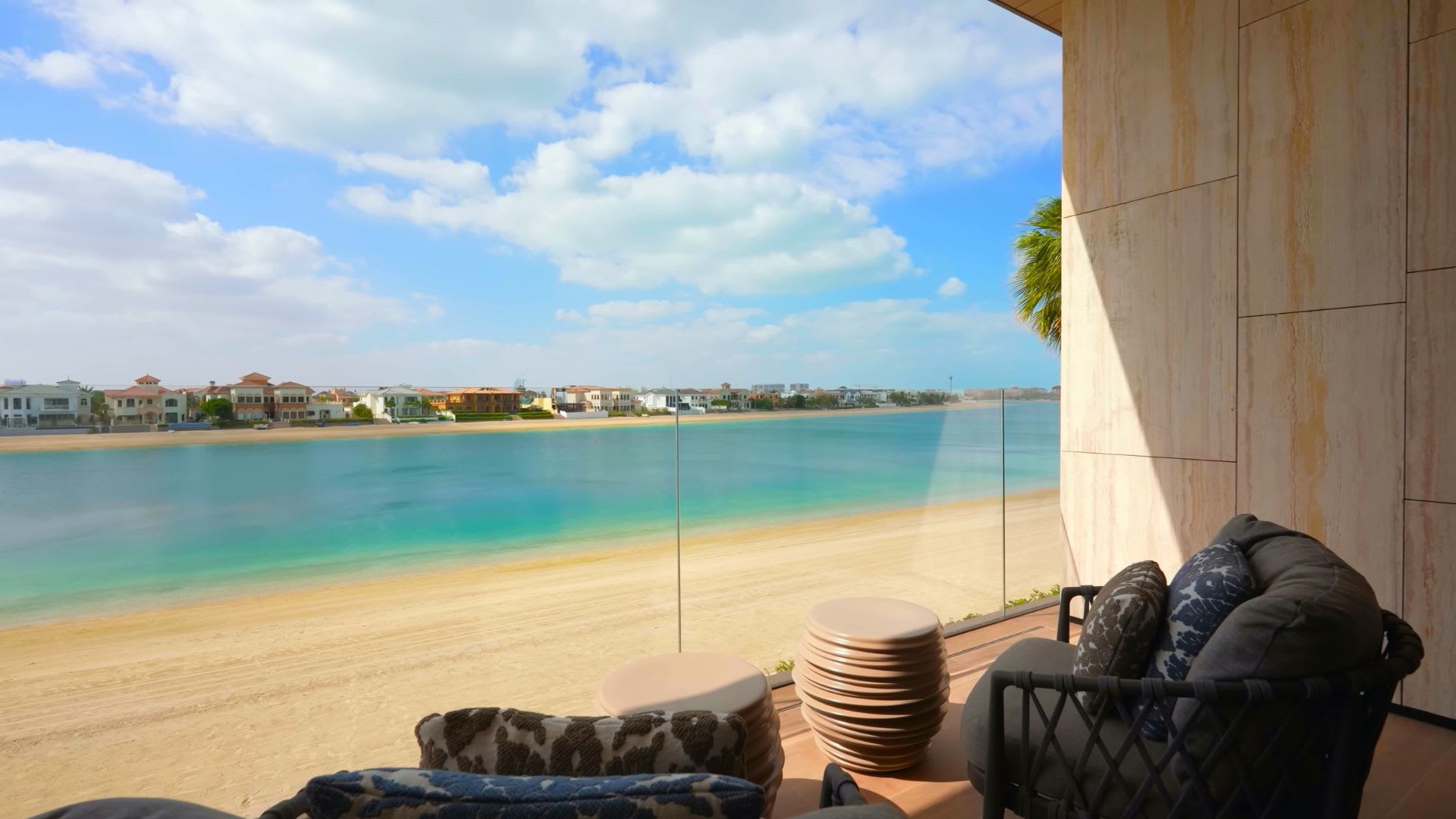
Waterfront homes attract buyers with beautiful views, direct access to lakes, rivers, or the ocean, and a lifestyle that’s difficult to find elsewhere. But owning property on the water also brings unique responsibilities. Flood exposure, shoreline conditions, insurance costs, maintenance, and local regulations can all influence the ownership experience. Before investing in waterfront real estate, it’s worth understanding how those factors affect both daily living and long-term costs.
Key Takeaways
- Waterfront property should be evaluated for both lifestyle and ongoing ownership demands.
- Flood risk and insurance should be investigated early, not after an offer is accepted.
- Water frontage does not automatically include unrestricted access or dock rights.
- Salt, moisture, storms, erosion, and shoreline conditions can increase maintenance needs.
- Visit the property at different times and ask how the waterfront changes through the seasons.
What Draws Buyers to Waterfront Living?
Waterfront homes can offer open views, access to outdoor activities, and a close connection to the surrounding landscape. What matters most depends on how you plan to use the property. One buyer may want a dock and regular boating access, while another may care more about the view and never plan to enter the water.
Start With How You Want to Use the Water
Ask what waterfront living means to you. Do you want to swim, boat, kayak, fish, or simply look at the water? The answer can change which properties make sense.
A steep riverbank, tidal shoreline, shallow lake edge, or protected coastal area may look attractive while offering very different types of access.
Waterfront Does Not Mean the Same Thing Everywhere
Waterfront communities can sit along oceans, lakes, rivers, bays, canals, or reservoirs. Each setting comes with different conditions and rules.
Understand the Water Frontage
Confirm where the property boundary is and what rights come with the frontage. Ask about easements, shared access, public rights, docks, seawalls, boat lifts, and any restrictions that affect use of the shoreline.
Do not assume that seeing a dock or path means you automatically have the right to keep, replace, or expand it.
Check Seasonal Water Conditions
Water levels, currents, tides, vegetation, and shoreline access can change during the year. A property visited during one season may look different several months later.
If water access is important, ask how usable it is throughout the year.
Understand Flood Risk Before You Buy
Being near water does not automatically mean a home will flood, but waterfront buyers should investigate flood exposure early.
FEMA flood maps identify mapped flood hazards, including Special Flood Hazard Areas. A mapped high-risk designation can affect insurance requirements for certain mortgages, but flooding can also occur outside those mapped areas.
Review the Current Flood Information
Check the current flood map for the property and ask about any known flood history. If elevation, drainage, or flood-zone information is unclear, a qualified surveyor, insurance professional, or local floodplain official may be able to provide more context.
Do not rely only on an old listing description or a seller’s memory of the flood zone.
Get an Insurance Quote Early
Insurance can affect the ongoing cost of a waterfront residence. Depending on the location and financing, flood insurance may be required, and coastal or storm-related risks can also affect available coverage. Ask an insurance professional to quote the specific property before you are too far into the transaction. The seller’s current premium may not be the same as yours.
Look Closely at the Shoreline
The shoreline itself can affect maintenance, access, and long-term use of the property.
Erosion and Shoreline Changes
Coastal erosion and other shoreline changes can gradually reshape land near the water. Rivers and lakes can have their own erosion and bank-stability concerns.
Look for signs of erosion, damaged retaining structures, exposed roots, failing seawalls, or areas where the bank appears unstable. Specialized inspections may be appropriate for properties with significant shoreline structures or visible concerns.
Shoreline Protection May Be Regulated
Owners cannot always alter a shoreline simply because it is part of their property. Seawalls, bulkheads, docks, vegetation removal, dredging, and other work may require permits or be restricted by local, state, or federal rules. If future shoreline work matters to you, confirm what is allowed before buying.
Expect Different Maintenance Demands
Waterfront homes can face conditions that inland homes do not experience to the same degree.
Moisture, Salt, and Weather Exposure
Salt air can be hard on metal, exterior finishes, mechanical equipment, and fixtures in coastal areas. High humidity and repeated exposure to wind or storms can also increase maintenance needs. On lakes and rivers, moisture, insects, vegetation, and seasonal weather can create different maintenance concerns. The exact issues depend on the location.
Inspect Waterfront Features Separately
A general home inspection may not fully address a dock, seawall, bulkhead, boat lift, retaining wall, or other waterfront structure. Ask whether specialized inspection is appropriate and who is qualified to perform it.
Also, find out who is responsible for maintaining shared waterfront features if the property is part of an association.
Think About Privacy and Public Activity
A beautiful view does not always mean complete privacy. Public beaches, walking paths, boat traffic, fishing access, marinas, and neighboring docks can change how the waterfront feels. Visit at different times of day and, if possible, during busier seasons. A quiet weekday morning may not reflect a summer weekend.
Review Community and Use Restrictions
Waterfront communities may have rules covering docks, boats, short-term rentals, exterior changes, shoreline landscaping, parking, and other uses.
If the property is in an HOA or condominium, review the governing documents. Also check local rules that apply to the water body and shoreline.
What to Check Before Buying a Home on the Water
Waterfront due diligence should cover the home, the land, and the water-related features.
Property and Risk Questions
- What is the current flood-zone information?
- Is there a known history of flooding, storm damage, or shoreline erosion?
- What insurance is available, and what might it cost?
- Where are the property boundaries and easements?
- Who owns and maintains any seawall, dock, or shared waterfront feature?
Lifestyle and Access Questions
- Can you use the water the way you expect to?
- Does water depth or access change seasonally?
- Are docks, boats, or other improvements restricted?
- How busy is the area during weekends or peak seasons?
- What maintenance does the property require because of its waterfront location?
Frequently Asked Questions
Is waterfront real estate more expensive to maintain?
It can be. Maintenance depends on the type of waterfront, climate, shoreline structures, weather exposure, and the home’s construction. Get property-specific inspections and estimates rather than assuming every waterfront home has the same costs.
Does a home on the water always require flood insurance?
No. Requirements depend on the property’s flood designation, financing, lender, and other factors. Even when flood insurance is not required by a lender, buyers may still want to discuss flood coverage with an insurance professional.
Does water frontage mean I can build a dock?
Not necessarily. Property boundaries, permits, environmental rules, community restrictions, water depth, and the type of shoreline can all affect whether a dock is allowed.
Deciding Whether Waterfront Living Fits You
Waterfront living can be a good fit when the property supports the way you want to use it and the ownership demands match your budget and expectations. The view is only one part of the decision. Flood risk, insurance, shoreline condition, access, maintenance, and local restrictions also matter.
A local REMAX agent with waterfront experience can help you compare properties and identify location-specific questions to investigate before you make an offer