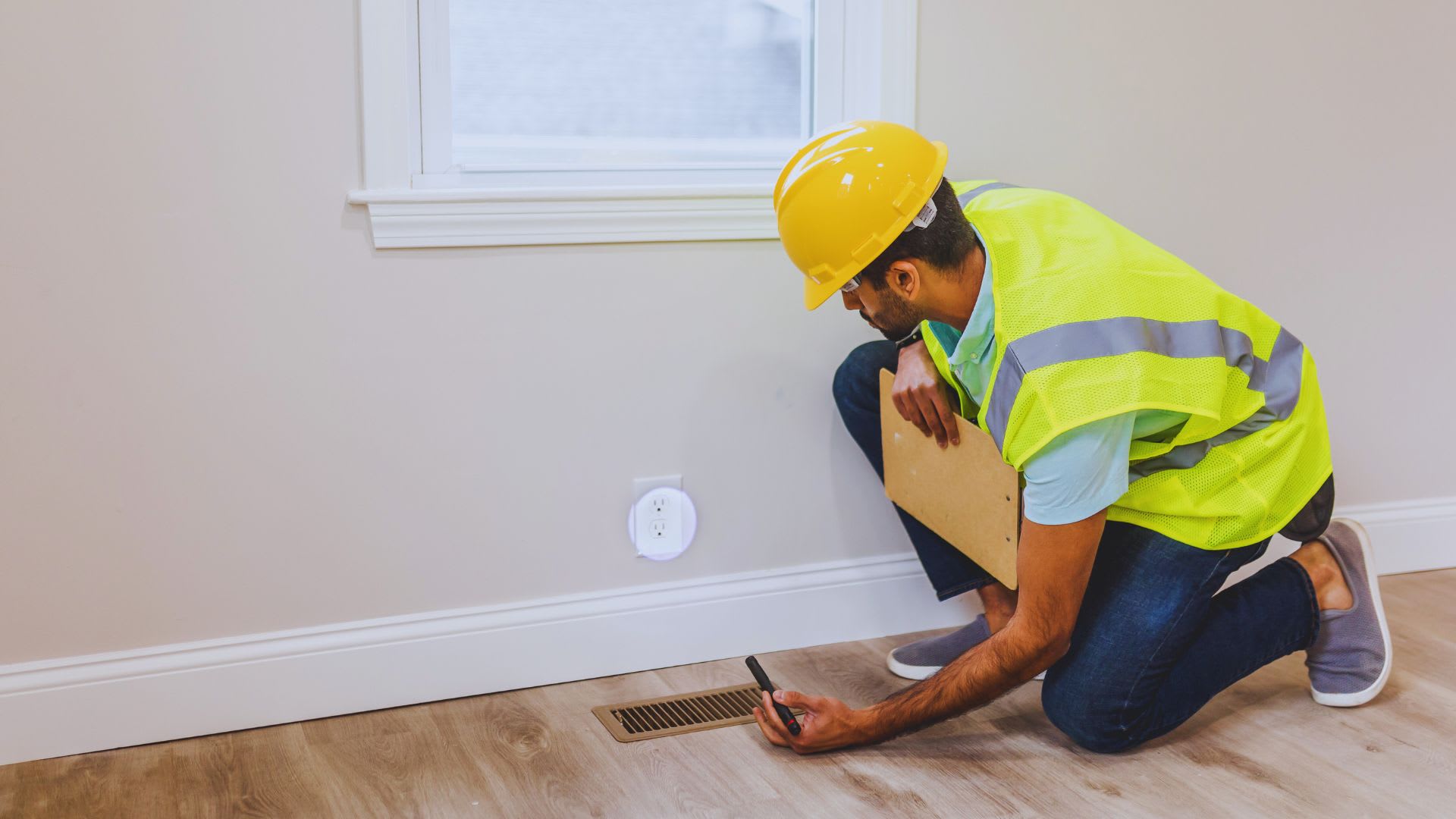
The biggest threat to an empty house usually isn’t a burglar. About one in 60 insured homes has a water damage or freezing claim each year, compared with about one in 700 for theft, according to the Insurance Information Institute. Preparing a home before vacation means covering both risks: shut off the water or keep the heat on, lock every door and window, unplug electronics you won’t need, arrange for someone to check in and make the house look lived-in with light timers and a mail hold. Homeowners selling a home and buyers under contract have a few extra steps so the deal keeps moving while they’re away.
Key Takeaways
- About one in 60 insured U.S. homes has a water damage or freezing claim each year, compared with about one in 700 for theft, according to the Insurance Information Institute.
- Before leaving on vacation, shut off the main water valve or keep the heat on, since the standard HO-3 homeowners policy excludes freezing damage unless heat was maintained or the water was shut off.
- Start preparing about two weeks before a trip by checking insurance terms, arranging a neighbor check-in and requesting USPS Hold Mail, which is free for 3 to 30 days.
- In winter, 55 degrees Fahrenheit is generally considered a reasonable minimum thermostat setting for a home left empty.
- Lock every exterior door and window and unplug unused electronics, since standby power is 5% to 10% of U.S. residential energy use, according to the U.S. Department of Energy.
- Homeowners selling while on vacation should set up lockbox access, showing instructions and electronic signing with their listing agent before leaving.
How Far Ahead Should You Start Preparing for Vacation?
Two weeks out is a comfortable starting point for a trip of a week or longer. That leaves time to read the homeowners policy or call the insurer, line up a neighbor or house sitter, request a USPS mail hold and book lawn care or snow removal. The day before is for setting light timers, testing cameras and smart locks and running the dishwasher. The last half hour before leaving is the physical walk-through: water, thermostat, plugs and locks.
Splitting the work this way keeps departure morning from turning into a scramble. The checklist further down follows the same order and adds steps for homes that are listed for sale.
What Are the Biggest Risks to a Home While You’re Away?
Water damage tops the list by a wide margin. Insurance Information Institute figures show about one in 60 insured homes has a property damage claim caused by water damage or freezing each year, compared with about one in 425 for fire and lightning and about one in 700 for theft. A slow leak in an occupied home gets caught at the next shower or load of laundry. In an empty one, a failed supply line or frozen pipe can run for days.
How Often Insured Homes File a Claim, by Cause
Approximate share of insured U.S. homes with a property damage claim each year.
| Cause of loss | Per 10,000 homes | Claim frequency |
|---|---|---|
| Wind and hail | About 286 homes | 1 in 35 homes |
| Water damage and freezing | About 167 homes | 1 in 60 homes |
| Fire and lightning | About 24 homes | 1 in 425 homes |
| Theft | About 14 homes | 1 in 700 homes |
Source: Insurance Information Institute calculations based on ISO, a Verisk Analytics business, homeowners claims data. Per 10,000 figures are rounded conversions of the published ratios. Frequency varies by region, home age and policy.
Theft is less common but still worth planning around, and the steps that discourage it take little time. Power outages and storms round out the list, which is why a local contact who can get inside matters as much as any device.
Should You Shut Off the Water Before Vacation?
For most trips longer than a few days, yes. Turning off the main water valve takes seconds and stops a burst line from flooding the house. Find the main shutoff before departure day. Homeowners who bought recently can often find its location in the home inspection report. After closing the valve, opening a faucet on the lowest floor relieves the pressure left in the lines.
There are two exceptions. Homes with an automatic fire sprinkler system need the water left on, and some boilers need a water supply to run safely, so ask a plumber first. If the main has to stay on, close the supply valves to the washing machine and dishwasher and place battery-powered leak sensors near the water heater and under sinks so a phone alert arrives at the first drip. REMAX covers sensors, cameras and other devices in this guide to smart home technology for houses.
What Temperature Should You Leave Your House At on Vacation?
Don’t shut the heat off in cold weather. A furnace that stays on protects the pipes, and most homeowners policies expect it. In winter, 55 degrees Fahrenheit is generally considered a reasonable minimum for a home left empty, according to a coverage analysis from PropertyCasualty360. Pipes on exterior walls or in unheated spaces can still freeze at that setting, so opening the cabinet doors under sinks on outside walls lets warm air reach the plumbing.
In summer, raise the air conditioning setting rather than turning it off, especially in humid climates where trapped moisture can lead to mildew. A smart thermostat that sends low- and high-temperature alerts adds an early warning. Check whether the water heater has a vacation mode, which lowers its temperature while the house is empty.
Does Homeowners Insurance Cover Your House While You’re on Vacation?
A short trip rarely raises coverage questions, but the fine print rewards preparation. In the standard HO-3 homeowners form, damage from plumbing that freezes is excluded unless the owner kept the heat on or shut off the water supply, according to Adjusters International. The same form ends coverage for vandalism and glass breakage once a dwelling has been vacant for more than 60 consecutive days.
Vacant and unoccupied aren’t the same. A home with furniture inside and an owner planning to return is usually considered unoccupied, while a home emptied of belongings may be vacant. Policies differ by insurer and state, so read the conditions section or call the insurer before a long trip, a seasonal stay elsewhere or a move that leaves the house empty.
How Do You Secure Your Home Before Leaving?
Walk the house and test every exterior door, including the door between the garage and the house, sliding patio doors and basement or cellar doors. Then check every window lock, upstairs included, since second-floor windows are often left cracked for airflow. A wooden dowel or security bar in the track of a sliding door adds a layer that’s hard to defeat from outside.
Bring in any spare key hidden under a mat, planter or fake rock. Give it to the neighbor checking on the house instead. Homes with smart locks, video doorbells or security cameras are worth a quick test before leaving to confirm batteries, Wi-Fi and phone alerts all work. Unplug the automatic garage door opener or switch it to vacation lock mode if the model has one.
What Should You Unplug Before Vacation?
Many electronics keep drawing power while switched off. According to the U.S. Department of Energy, standby power accounts for 5% to 10% of residential energy use and can cost the average household up to $100 a year. Unplugging before a trip trims that waste and removes a few potential ignition sources at the same time.
Good candidates include TVs, gaming consoles, desktop computers, printers, phone chargers, coffee makers, toaster ovens and countertop appliances. Leave the refrigerator, freezer, sump pump, medical equipment and any security system or router that powers cameras plugged in.
Who Should Check on Your Home While You’re Away?
A trusted neighbor, friend or relative is the single most useful piece of vacation prep. Ask them to collect packages and flyers, roll trash bins back up the driveway and walk through the house every few days to look for leaks, a tripped breaker or a thermostat that has stopped working. Leave them a spare key, the alarm code and a contact number for the trip. Add the name of a plumber or electrician to call if something goes wrong.
Regular visits also back up the reasonable-care standard in most policies, since someone will notice a cold furnace before the pipes freeze. For trips of a month or longer, a house sitter or property manager may be a better fit than a neighbor’s drop-ins.
How Do You Make an Empty House Look Occupied?
Light timers or smart bulbs are the simplest fix. Set lamps in two or three rooms to switch on and off at different times in the evening so the pattern doesn’t look automated. Pausing mail is the second step. USPS Hold Mail is free and pauses all mail delivery for a minimum of 3 days and a maximum of 30 days, and requests can be made online up to 30 days in advance.
Also pause newspaper and recurring meal kit or grocery deliveries, arrange lawn mowing or snow removal for longer trips and ask a neighbor to park in the driveway now and then. Holding off on posting vacation photos until after returning home keeps the trip off social media while the house is empty.
What If Your Home Is Listed for Sale While You’re on Vacation?
A trip doesn’t have to pause a home sale, but the prep looks a little different. The house needs to stay secure and still be easy to show. Talk with the listing agent before leaving about a lockbox, showing windows, alarm instructions and who will check the home after each showing. Clear instructions about pets and alarms are part of avoiding the common home showing mistakes sellers make.
Some advice above changes for a listed home. Keep the water on so buyers can test faucets, and set the thermostat to a comfortable showing temperature, or agree on a plan with the agent. Store valuables, prescriptions and personal documents out of sight. Plan to stay reachable by phone and email, since offers, counteroffers and disclosures can usually be reviewed and signed electronically from anywhere.
Owners who spend whole seasons away may find the trip raises a bigger question. Long winters somewhere warm are one reason people weigh whether to downsize before or after retiring. Others who are relocating consider keeping the current home as a rental when they move, which brings its own checklist for a property that will sit between tenants.
What Should Buyers Do If They Travel Before Closing?
Buyers under contract can travel, but a closing timeline leaves little room for missed messages. Tell the agent and lender the travel dates, keep pay stubs and bank statements accessible online and avoid opening new credit or making large purchases before closing. Confirm whether closing documents can be signed remotely, through a mail-away closing or by power of attorney, which varies by lender and state.
Build the trip around the final walkthrough, which typically happens within 24 to 48 hours of closing. Homeowners insurance needs to be in place by closing day as well, and the first trip after moving in is a good time to run through every step in this guide.
Before-You-Go Home Checklist
Tick off each task as you finish it. Turn on the selling option to add steps for a home that is listed for sale.
Your progress
0 of 15 tasks done
One week before
The day before
On the way out
Leave Home With Peace of Mind
The costliest vacation surprises usually start with water, so turn it off or keep the heat on, then lock up, unplug, line up a check-in and put the lights and mail on hold. For homeowners thinking about selling or buying around travel plans, a local agent can coordinate showings, paperwork and timing while you’re away. Connect with a REMAX agent to get started.
Frequently Asked Questions About Preparing Your Home for Vacation
How do you prepare your home before going on vacation?
Shut off the main water valve or keep the heat on, lock every exterior door and window, unplug electronics that don't need to stay on, ask a trusted neighbor to collect packages and check the home, put lights on timers and pause mail delivery. Starting about two weeks ahead leaves time to check insurance terms and request a USPS mail hold.
Should you turn off the water when you go on vacation?
For most trips longer than a few days, yes. About one in 60 insured homes has a water damage or freezing claim each year, according to the Insurance Information Institute. Homes with a fire sprinkler system or a boiler that needs water should check with a plumber before shutting off the main valve.
What temperature should you leave your house at on vacation?
In winter, keep the heat on. 55 degrees Fahrenheit is generally considered a reasonable minimum for a home left empty, and the standard HO-3 homeowners policy excludes freezing damage unless heat was maintained or the water was shut off. In summer, raise the air conditioning setting rather than turning it off.
Does homeowners insurance cover your house while you're on vacation?
A short trip rarely raises coverage questions, but conditions apply. The standard HO-3 form excludes damage from frozen plumbing unless the owner kept the heat on or shut off the water, and it ends vandalism and glass breakage coverage after 60 consecutive days of vacancy. Policies vary, so check with the insurer before a long trip.
Should you unplug everything before going on vacation?
No. Unplug TVs, gaming consoles, computers, chargers and small kitchen appliances, but leave the refrigerator, freezer, sump pump, medical equipment and any security system or router powering cameras plugged in. Standby power accounts for 5% to 10% of residential energy use, according to the U.S. Department of Energy.
How long will USPS hold mail while you're on vacation?
USPS Hold Mail pauses all mail delivery to an address for a minimum of 3 days and a maximum of 30 days, and the service is free. Requests can be made online up to 30 days in advance. For absences longer than 30 days, USPS directs customers to its mail forwarding service.
Can you sell a house while you're on vacation?
Yes. A listing agent can show the home using a lockbox and agreed showing instructions, and offers and disclosures can usually be reviewed and signed electronically. Sellers should keep the home secure, comfortable for showings and reachable by phone or email while traveling.