Closing Costs in the US
Closing costs are the one-time fees required to complete a real estate transaction in the United States. These costs go beyond your down payment or sale proceeds and typically range from 2% to 5% of a home’s purchase price for buyers.
They include expenses such as transfer taxes, title insurance, lender fees, and home inspections. Understanding closing costs helps you budget accurately and avoid surprises at closing.
If you’re wondering what closing costs are, they are the final expenses required to legally complete a home purchase or sale. Closing costs vary significantly by state due to differences in taxes, regulations, and local practices.
| Quick Answer: Closing costs are the one-time fees paid when buying or selling a home in the United States, typically ranging from 2% to 5% of the purchase price for buyers and 6% to 10% for sellers. Closing costs are paid at or before closing and are required to finalize the transaction. |
Key Takeaways
- Closing costs for buyers typically range from 2 to 5 percent of the home’s purchase price, while seller costs usually range from 6 to 10 percent.
- Property transaction tax varies by state, with some states having no transfer taxes while others charge substantial fees.
- Title insurance, legal fees, home inspections, and lender-related costs are standard closing costs for buyers that protect your investment.
- Using a closing cost calculator can help you budget accurately and understand who pays closing costs in your transaction.
- Many closing costs can be negotiated or shopped around for better rates, making preparation key to managing these expenses.
- First-time homebuyers may qualify for assistance programs that help cover closing costs in certain states.
Closing Costs At a Glance
| Category | Typical Cost |
| Buyer Closing Costs | 2% – 5% |
| Seller Closing Costs | 6% – 10% |
| Largest Buyer Cost | Lender fees + title costs |
| Largest Seller Cost | Real estate commission |
Table of Contents
What are Closing Costs?
Closing costs are the fees and expenses required to legally transfer ownership of a property from a seller to a buyer. These costs cover the administrative, legal, and regulatory requirements needed to transfer property ownership from one party to another.
For buyers, closing costs include property transfer taxes, legal fees, home inspection costs, and mortgage-related charges. Sellers have their own set of closing costs, including real estate agent commissions, legal fees, and any outstanding property-related expenses.
The total amount you’ll pay in closing costs depends on several factors:
- Your property’s purchase price
- Your state and local jurisdiction
- Whether you’re a first-time buyer
- The services you require
- Your chosen lender and service providers
Closing Costs for Buyers vs Sellers
Buyers and sellers pay different types of closing costs in the United States.
- Buyers typically pay lender fees, title insurance, inspections, and prepaid taxes
- Sellers typically pay real estate commissions, transfer taxes (in many states), and title-related fees
Understanding who pays closing costs helps you estimate your total costs more accurately.

Mandatory vs. Optional Closing Costs
Mandatory closing costs include expenses required by law or by your lender to complete the transaction. These typically include:
- property transaction taxes where applicable
- attorney or title company fees
- title insurance
- property tax adjustments
- mortgage registration fees
- home inspection costs (often required by lenders)
Optional closing costs give you choices in service levels or coverage. These might include:
- extended home warranty coverage
- comprehensive property surveys beyond basic requirements
- additional insurance coverage
- premium legal services
- expedited processing fees
- professional moving services

When Closing Costs Are Due
Most closing costs are paid on your closing date through your attorney or title company, which collects funds and distributes payments to various parties on your behalf. Your legal representative will typically provide a final settlement statement several days before closing, outlining exactly how much you need to bring to complete the transaction.
Some costs are paid earlier in the process. Home inspection fees are usually paid directly to the inspector upon completion of the service. Mortgage application fees might be charged when you submit your loan application. However, most expenses are collected and paid by your attorney or title company on closing day.
Property Transaction Tax in the US
What is Property Transaction Tax?
Property transaction tax, also known as transfer tax or deed tax, is a fee imposed by state and local governments when property ownership changes hands. This land tax serves as a source of revenue for state and local governments while helping fund various public services and infrastructure projects. The tax is typically calculated as a percentage of the property’s sale price or a flat fee per transaction, depending on your jurisdiction’s regulations.
Property transaction tax is usually paid by the seller, though local customs and negotiated agreements can shift this responsibility to the buyer or impose a percentage charged to both parties. Your attorney or title company will handle the calculation and payment of these taxes as part of the closing process.
Property Transaction Tax by State
| State | Transfer Tax Rate |
| Alabama | 0.10% |
| Alaska | 0.00% |
| Arizona | 0.00% |
| Arkansas | 0.33% |
| California | 0.11% |
| Colorado | 0.00% |
| Connecticut | 0.75-2.25% |
| Delaware | 2.50% |
| District of Columbia | 1.1-1.45% |
| Florida | 0.70% |
| Georgia | 0.10% |
| Hawaii | 0.10-1.25% |
| Idaho | 0.00% |
| Illinois | 0.10% |
| Indiana | 0.00% |
| Iowa | 0.16% |
| Kansas | 0.00% |
| Kentucky | 0.10% |
| Louisiana | 0.00% |
| Maine | 0.44-0.76% |
| Maryland | 0.50% |
| Massachusetts | 0.46% |
| Michigan | 0.75% |
| Minnesota | 0.33% |
| Mississippi | 0.00% |
| Missouri | 0.00% |
| Montana | 0.00% |
| Nebraska | 0.23% |
| Nevada | 0.39% |
| New Hampshire | 1.50% |
| New Jersey | 0.40-1.21% |
| New Mexico | 0.00% |
| New York | 0.40-0.65% |
| North Carolina | 0.20% |
| North Dakota | 0.00% |
| Ohio | 0.10% |
| Oklahoma | 0.15% |
| Oregon | 0.00% |
| Pennsylvania | 1.00% |
| Rhode Island | 0.75% |
| South Carolina | 0.37% |
| South Dakota | 0.10% |
| Tennessee | 0.37% |
| Texas | 0.00% |
| Utah | 0.00% |
| Vermont | 1.45-1.75% |
| Virginia | 0.25% |
| Washington | 1.10-3.00% |
| Wisconsin | 0.30% |
| Wyoming | 0.00% |
Transfer Tax vs. Recording Fees
Transfer taxes and recording fees serve different purposes in real estate transactions. Transfer taxes are imposed on the actual transfer of property ownership and are calculated based on the property’s value or sale price.
Recording fees are administrative charges for filing and recording legal documents with local government offices. These fees are typically much smaller and cover the cost of maintaining public property records.
Both types of fees are necessary to complete your real estate transaction, but transfer taxes are usually a much larger expense. Some jurisdictions combine these fees into a single payment, while others charge them separately.

Legal and Professional Fees
Attorney and Title Company Fees
Legal representation or title company services are typically required or standard depending on the state. These professionals ensure your transaction complies with state and local laws, that the title is properly transferred, and that your interests are protected throughout the process.
Attorney fees typically range from $800 to $2,500 for a standard residential transaction, depending on your location and the complexity of the deal. Title companies may charge similar fees for their services, though their fee structures might differ.
The choice between an attorney and a title company often depends on state law and local custom. Some states require attorney involvement, while others allow title companies to handle most closing functions. Your real estate agent can advise you on standard practices in your area.
Legal Document Preparation
Your attorney or title company prepares numerous legal documents required to complete your real estate transaction. For buyers, this includes the deed, mortgage documents, tax certificates, and title insurance applications. Sellers require different documentation, including payoff letters for existing mortgages and various certificates and affidavits.
Document preparation is typically included in your attorney’s or title company’s base fee, but certain specialized documents may incur additional charges. Complex transactions involving multiple parties, unusual financing arrangements, or commercial elements may require extra documentation and higher fees.
Title Search and Examination
Title searches verify that the seller has clear ownership of the property and identify any encumbrances such as mortgages, liens, judgments, or easements. Your attorney or title company conducts this search through public records and reviews the results to ensure you’re receiving a clear title to the property.
The examination process involves reviewing decades of property records to trace the chain of ownership and identify any issues that could affect your rights as the new owner. This includes checking for unpaid taxes, outstanding mortgages, mechanic’s liens, and other claims against the property.
Title search fees are typically included in your attorney’s or title company’s closing costs, though extensive searches on older properties or those with complex ownership histories may incur additional charges.
Notary and Recording Costs
Notarization of legal documents is required for most real estate transactions to verify the identity of signers and ensure documents are properly executed. Your attorney or title company typically arranges for notary services as part of their closing process, with fees ranging from $10 to $50 per document.
Recording costs cover the filing of your deed, mortgage, and other legal documents with local government offices to establish a public record of the transaction. These fees vary by jurisdiction but typically range from $25 to $200 per document, depending on the number of pages and local fee schedules.
Both notary and recording fees are usually collected by your attorney or title company and paid on your behalf as part of the closing process.

Lender-Related Closing Costs
Loan Origination Fees
Loan origination fees compensate your lender for processing your mortgage application and creating your loan. These fees typically range from 0.5 to 1 percent of your loan amount, though some lenders offer no-origination-fee loans with slightly higher interest rates instead.
Mortgage Application and Processing
Beyond origination fees, lenders may charge additional fees for application processing, credit checks, and loan administration. Application fees typically range from $300 to $500 and cover the initial review of your financial information and creditworthiness.
Appraisal Costs
Mortgage lenders require professional appraisals to confirm that the property value supports the requested loan amount. Appraisal costs typically range from $400 to $800 for standard residential properties, though larger, unique, or rural properties may cost more to appraise.
The appraiser conducts an independent assessment of the property’s value based on recent comparable sales, the property’s condition, and local market factors. This protects both you and your lender from lending more than the property is worth.
While you pay for the appraisal, the report belongs to your lender. If you want a copy for your records, request one from your loan officer or mortgage broker.
Credit Report and Underwriting Fees
Lenders charge fees for obtaining your credit report and conducting the underwriting analysis required to approve your loan. Credit report fees typically range from $25 to $75 and cover the cost of obtaining reports from all three major credit bureaus.
Underwriting fees, ranging from $400 to $900, compensate lenders for the detailed analysis of your financial situation, employment history, and ability to repay the loan. This process includes verifying your income, assets, and debt obligations.
Mortgage Broker Fees
Mortgage brokers help you find and compare loan products from multiple lenders, potentially saving you time and money on your mortgage. Most brokers are compensated through lender commissions, so their services are typically free to borrowers.
However, some brokers charge additional fees for specialized services, complex applications, or premium service levels. Common broker fees include processing charges, document preparation fees, and administrative costs for finding specialized loan products.
Any broker fees should be disclosed upfront and detailed in your loan estimate. Even when broker services appear free, understand that brokers are paid by lenders and may favor products that generate higher commissions.
Title Insurance and Protection Costs
Owner’s Title Insurance
Owner’s title insurance protects your investment against losses from title defects, survey issues, and various other problems that could affect your property ownership. Unlike other insurance types that protect against future events, title insurance covers issues that existed before you purchased the property but weren’t discovered during the title search process.
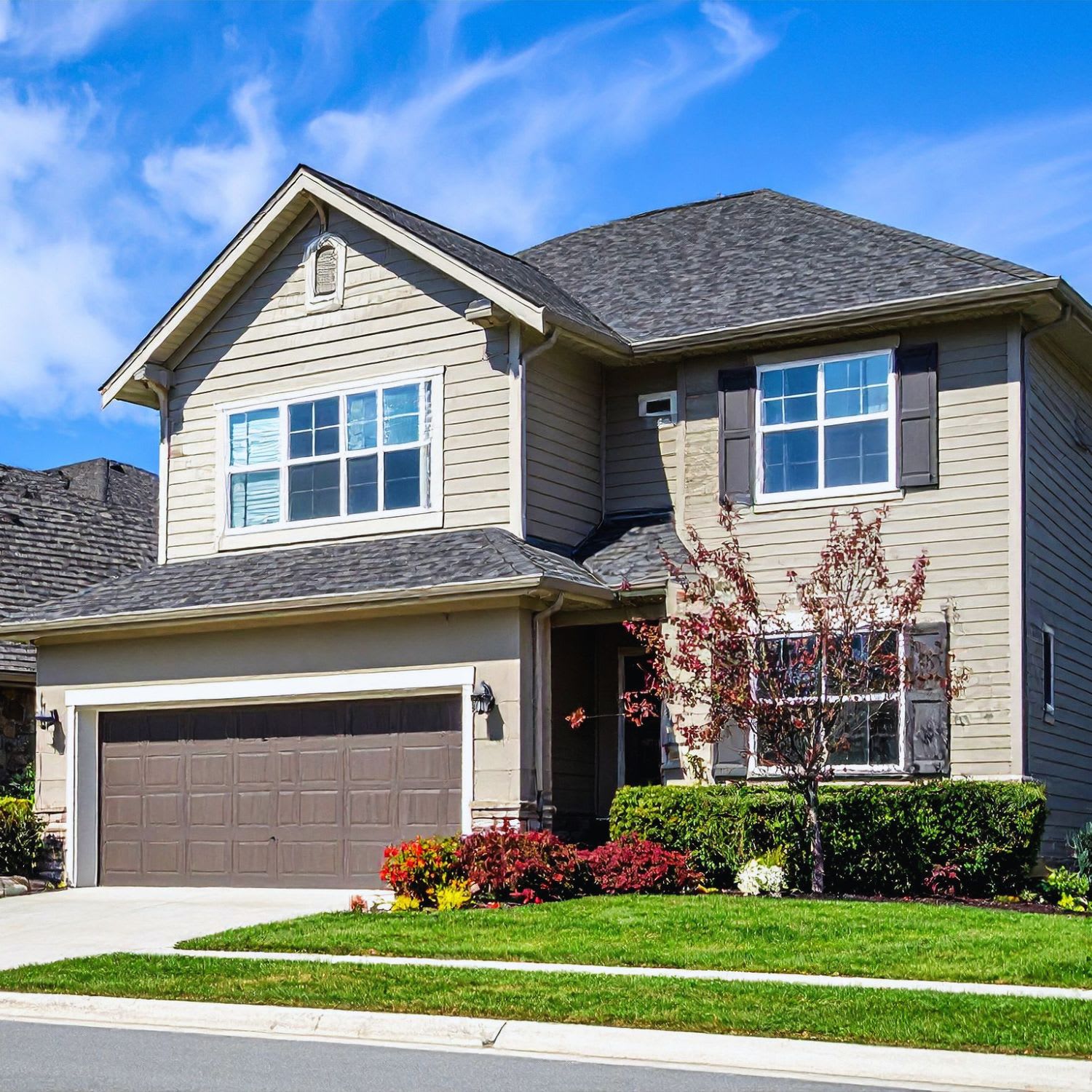
Coverage includes protection against fraud in the property’s ownership history, liens that weren’t properly recorded or released, survey errors and boundary disputes, and mistakes in public records that affect your ownership rights. The one-time premium for owner’s title insurance typically ranges from $500 to $1,500, depending on your property’s value and the coverage amount selected. The coverage continues as long as you own the property and can even protect your heirs.
Lender’s Title Insurance
Mortgage lenders almost always require lender’s title insurance to protect their financial interest in your property. This insurance covers the lender’s loan amount and decreases as you pay down your mortgage balance.
The lender’s policy protects against the same types of title issues as owner’s insurance, but only covers the lender’s interest, not your equity in the property. Premiums for lender’s title insurance are typically lower than owner’s policies, ranging from $300 to $800.
Home Inspection and Property-Related Costs
Professional Home Inspection
A professional home inspection is one of the most valuable closing costs for buyers, typically costing between $400 and $800, depending on the property’s size, age, and complexity. This inspection identifies potential issues with the home’s structure, systems, and components before you complete your purchase.
The inspection process usually takes 2-4 hours, during which a qualified inspector examines the property’s electrical, plumbing, heating, and cooling systems, as well as the roof, foundation, and overall structural integrity. You’ll receive a detailed written report highlighting any concerns or recommended repairs.
Property Survey
A current property survey shows the exact boundaries of your property and the location of structures, easements, and other features on the lot. While not always required, surveys are often mandated by mortgage lenders and can prevent future boundary disputes with neighbors.
New surveys typically cost $500 to $1,500 for residential properties, though you may be able to use an existing recent survey if the seller provides one. The survey identifies any encroachments, easements, or setback violations that could affect your property use or value.
Additional Closing Costs for Buyers
Property Tax Adjustments
Property tax is typically paid annually or semi-annually, requiring adjustments between buyers and sellers at closing to ensure each party pays only for their period of ownership. If the seller has prepaid taxes for periods extending beyond the closing date, you’ll reimburse them for the unused portion.
Conversely, if property taxes are outstanding for the current period, the seller must pay them or provide credits at closing. Your attorney or title company calculates these adjustments based on the annual tax amount and the specific closing date.
Property tax adjustments can work in your favor or increase your closing costs, depending on the timing of your purchase and the local tax payment schedule. These calculations will be detailed in your closing statement several days before your closing date.
Moving and Storage
Moving costs vary based on the distance of your move, the amount of belongings, and whether you hire professional movers or handle the move yourself. Professional moving services for local moves typically cost $1,000 to $3,000, while long-distance moves can cost much more.
If there’s a gap between closing on your new home and taking possession, temporary storage may be necessary. Storage unit rental costs vary by size and location. Some moving companies offer combined moving and storage services that may provide cost savings compared to arranging these services separately.
Cost of Selling a House in the US
Real Estate Agent Commissions
Real estate agent commissions are typically the highest cost of selling a house, ranging from 5 to 6 percent of the sale price. This commission is traditionally split between the listing agent and the buyer’s agent, though recent legal changes may affect how commissions are structured and negotiated.
Commission rates are negotiable, and some agents offer reduced rates or alternative fee structures. However, consider the services provided when comparing commission rates, as full-service agents handle marketing, showings, negotiations, and transaction management throughout the selling process.
Seller’s Legal and Title Fees
Sellers require legal representation or title company services to handle the transfer of ownership, mortgage payoffs, and other closing requirements. Legal fees for sellers typically range from $800 to $2,000, depending on the transaction complexity and any additional services required.
Seller legal costs include preparing transfer documents, handling mortgage payoffs, providing required certificates and warranties, and ensuring all closing conditions are met. If you’re selling and buying simultaneously, your attorney may offer package pricing for handling both transactions.
Property Repairs and Staging
Many sellers invest in property repairs and staging to maximize their sale price and reduce time on the market. Professional staging can cost $500 to $2,500 per month, while cosmetic improvements vary depending on the scope of work.
Common pre-sale improvements include fresh paint, minor repairs, landscaping, deep cleaning, and decluttering. While these investments can improve your sale price, carefully consider the cost versus potential return on investment.
Your real estate agent can advise on which improvements are likely to provide the best financial return and help you use a cost of selling a house calculator to budget for these expenses.
Capital Gains Tax Considerations
While your primary residence typically qualifies for capital gains tax exclusions, certain situations may trigger tax obligations when selling a property. The current exclusion allows up to $250,000 in gains for single filers and $500,000 for married couples filing jointly, provided you’ve lived in the home as your primary residence for at least two of the past five years.
Properties that don’t qualify for the primary residence exclusion, such as investment properties or vacation homes, may be subject to capital gains tax on any profit from the sale. Additionally, if you’ve claimed home office deductions for business use, a portion of your gain may be taxable.
Consult with a tax professional to understand your situation and any potential tax obligations from your home sale.
Closing Cost Calculator and Budgeting
Using a Closing Cost Calculator
A closing cost calculator helps you estimate your total expenses before beginning the home-buying or selling process. These tools provide valuable budgeting information, though actual costs may vary based on your circumstances and service providers. Here is how to use a closing cost calculator:
- Enter your home’s purchase price or expected sale price into the calculator.
- Select your state and local jurisdiction to account for regional variations in taxes and fees.
- Choose whether you’re buying or selling to get appropriate cost estimates.
- Specify your loan type and down payment amount if you’re purchasing.
- Review the estimated costs and add a buffer for unexpected expenses.
- Use the results to budget appropriately and shop around for competitive service provider rates.
Sample Home Purchase Calculation
To illustrate typical closing costs for buyers, consider this example of closing costs when buying an $800,000 home with a 10% down payment ($80,000) and a $720,000 mortgage. This example shows how closing costs add up for a typical home purchase in the United States:
- Property Transaction Tax: $4,000 (varies by state)
- Attorney Fees: $1,800
- Title Insurance: $1,200
- Home Inspection: $650
- Property Survey: $800
- Loan Origination Fee (0.75%): $5,400
- Appraisal: $500
- Credit Report and Processing: $450
- Private Mortgage Insurance: $600 (annual premium)
- Property Tax Adjustment: $2,200
- Moving Costs: $2,000
- Miscellaneous Fees: $800
Total Estimated Closing Costs: $20,400
This represents approximately 2.6 percent of the purchase price, which falls within the typical range of closing costs for buyers. Using a closing cost calculator for your situation and location will provide more accurate estimates.
Whether you’re calculating the cost to sell a house or budgeting for your first home purchase, REMAX agents across the United States have the expertise to guide you through the closing process. Contact your local REMAX agent to discuss your goals and get personalized advice on managing closing costs in your area.

FAQs About Closing Costs
What are Closing Costs, and Why Do I Pay Them?
Closing costs are fees and expenses required to complete a real estate transaction. You pay them to:
- Cover legal requirements for transferring property ownership
- Protect your investment through inspections and insurance
- Compensate professionals who facilitate the transaction
- Satisfy government recording and tax requirements
How Much are Closing Costs When Buying a Home?
Budget approximately 3 to 5 percent of your home’s purchase price for closing costs. Factors affecting your total include:
- Your home’s price and location
- State and local tax rates
- Your chosen lender and service providers
- Whether you’re a first-time buyer eligible for assistance programs
Can Closing Costs Be Included in My Mortgage?
Most closing costs must be paid in cash at closing and cannot be added to your mortgage. However, some lenders allow certain fees to be rolled into the loan. First-time buyer programs may also offer assistance with closing cost payments.
What Closing Costs Can Be Negotiated?
Several closing costs can be reduced through shopping around or negotiation:
- Attorney or title company fees
- Home inspection costs
- Title insurance premiums (when buying both owner’s and lender’s policies)
- Some lender fees and mortgage broker charges
- Moving and storage costs
Who Pays Closing Costs: the Buyer or the Seller?
Both buyers and sellers pay closing costs.
Buyers typically pay:
- Lender-related fees
- Title insurance
- Home inspection and survey costs
Sellers typically pay:
- Property transaction taxes (where applicable)
- Real estate agent commissions
- Attorney or title company fees
Are Closing Costs Tax-Deductible?
Most personal residence closing costs are not tax-deductible. However, if you’re purchasing a rental property or using part of your home for business, some costs may be deductible. Consult a tax professional for specific advice.
When Do I Pay Closing Costs?
Most closing costs are paid on your closing date through your real estate attorney, who collects funds and pays various parties on your behalf. Some costs, like home inspections, are paid when services are performed. Your attorney will provide a final account several days before closing, showing your balance.
How Much Does It Cost to Sell a House?
The cost of selling a house typically ranges from 5 to 10 percent of your home’s sale price. For an $800,000 home, expect to pay approximately $40,000 to $80,000 in total selling costs. Use a cost of selling a house calculator to get estimates specific to your location and situation.
Do closing costs vary by state in the US?
Yes. Closing costs vary significantly by state due to differences in transfer taxes, title fees, and local regulations.