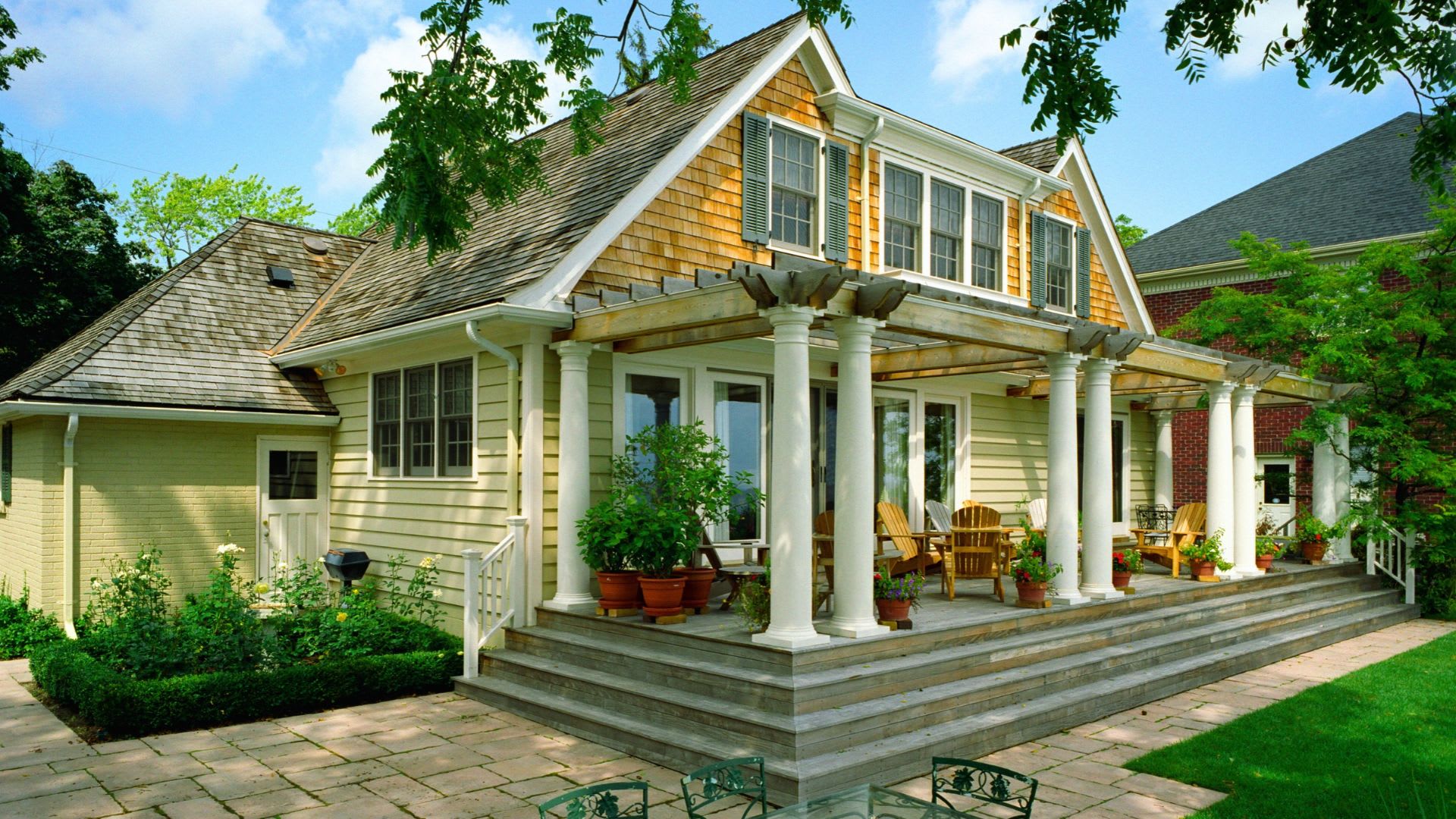
Buying your first home used to come with a standard script. Start small, build equity, sell, and move up. That was the classic property ladder. But today’s market has made that path less predictable. Higher home prices, elevated mortgage rates, tight inventory, and changing lifestyle needs have many buyers asking a bigger question. Should I buy a starter home first, or stretch for the forever home from the beginning? The answer depends on your budget, timeline, and long-term plans. The starter home vs forever home decision comes down to flexibility, stability, and financial pressure. A starter home may give you room to enter the market sooner, while a forever home may offer the certainty of settling in for the long term.
Key Takeaways
- Buy the starter home for market entry. It can make sense if you have stable income but are not ready for the down payment or monthly cost of your dream home.
- Stretch for the forever home only if the budget stays comfortable. Stability is valuable, but not if maintenance, taxes, insurance, and repairs leave you house poor.
- Look for convertibility. A smart starter home has a Plan B, such as a basement, extra lot space, ADU potential, or room to expand.
- Consider the hybrid move. A smaller fixer-upper in your ideal neighborhood can be better than a turn-key home in a weaker location.
What Is a Starter Home?
If you are asking what is a starter home, think of it as a smaller, more affordable property that fits your current needs rather than your long-term wish list. It might be a condo, townhouse, duplex, or modest single-family home. The biggest advantage of a starter home is access: it can make homeownership possible sooner with a lower purchase price, smaller down payment, and more manageable monthly costs. The main risk is moving too soon, since closing costs, agent commissions, and market shifts can eat into your gains before you have enough time to build meaningful equity.
What Is a Forever Home?
A forever home is a property you can imagine living in for decades. It usually has more space, a preferred location, room for family changes, and features you do not want to compromise on, such as a specific school district, home office, larger yard, first-floor bedroom, or space for aging parents. The biggest advantage is stability: you can settle in, customize the home, and avoid moving multiple times. The main risk is becoming house poor. A forever home usually costs more to buy, maintain, insure, heat, cool, and repair. Those higher costs can leave less room for savings, retirement, emergencies, and everyday flexibility.
The Real Cost of Moving Up Later
Transaction Friction Can Shrink Your Equity
Many buyers focus on how much equity they might gain in a starter home, but they forget how much it costs to move from one home to the next. Closing costs, commissions, inspections, repairs, moving expenses, and new loan costs can reduce the amount you actually carry forward. A starter home only works well if you own it long enough for equity growth and appreciation to outweigh the cost of buying and selling.
Your Mortgage Rate Matters Too
In a higher-rate market, moving up can mean giving up a mortgage rate that keeps your current payment manageable. Before assuming you can trade a starter home for a larger home in five years, calculate the cost of rate loss. Staying in the starter home and renovating may be cheaper than moving into a bigger loan with a higher monthly payment.
A Starter Home Can Become Long-Term by Accident
A starter home can become an accidental long-term home if prices stay high, rates rise, or the next tier of homes moves out of reach. Before buying, ask if the home could work for 10 years instead of five. A smart starter home has some flexibility: a basement that could be finished, a layout that could support an addition, a spare room that could become an office, or a location strong enough to remain desirable even if your plans change.
Look for a Starter Home With a “Plus”
Future Flexibility Can Matter More Than Extra Space Today
A starter home with extra lot space, a detached garage, basement potential, or room for an accessory dwelling unit, where local rules allow, can give you more options later. REMAX agents often see these features become important when buyers stay longer than planned. They can help a home support aging parents, remote work, rental income, or a growing household without requiring an immediate move. You do not need every future feature on day one, but it helps to buy a home that can adapt instead of one that immediately hits a ceiling.
Location Can Be the Real Long-Term Asset
You do not always have to choose between a small starter home and a fully finished forever home. One middle path is buying a smaller or outdated home in the neighborhood where you want to stay long term. You lock in the location first, then improve the property over time. For many buyers, the smartest move is not buying the biggest house they can afford, but buying the most durable location they can afford.
The Hidden Cost of Buying Too Much Home
Bigger Homes Have Bigger Carrying Costs
A larger forever home does not just cost more upfront. It usually comes with higher property taxes, insurance, utilities, maintenance, landscaping, repairs, and replacement costs. A bigger roof, more windows, a larger HVAC system, and more square footage all create a higher cost of ownership.
Use the 1% Maintenance Rule as a Reality Check
A common planning rule is to set aside about 1% to 2% of the home’s value each year for maintenance and repairs, especially for larger, older, or more complex homes. On an $800,000 home, that means planning for roughly $8,000 to $16,000 a year before emergencies, upgrades, or major renovations. If that range makes it hard to save for retirement or maintain an emergency fund, the forever home may be too much house right now.
Empty Space Still Costs Money
Buying for your future self can be smart, but buying too far ahead can be expensive. A five-bedroom house may sound practical for the life you hope to have later, but unused rooms still need to be heated, cooled, furnished, insured, maintained, and taxed. Planning ahead is useful; paying for years of unused space is not always the best use of your money.
Think About How the Home Supports Your Life
Use the Three-Year Horizon
A useful way to avoid overbuying is to look at the next three years, not every possible version of your future. If you do not realistically expect to need extra bedrooms, a larger yard, or another 1,000 square feet within 36 months, you may be buying too far ahead. The goal is to choose a home that supports your actual life while leaving room for realistic changes.
Remote Work Can Change the Equation
If you work remotely, a dedicated office or realistic workspace can be just as important as an extra bedroom. A small home with no quiet workspace may expire faster for a remote worker than it would for someone who commutes every day. In that case, a larger starter home, a more flexible layout, or even a forever home may be less of a luxury and more of a productivity decision.
Frequently Asked Questions
Is it better to buy a fixer-upper forever home or a turn-key starter home?
This comes down to liquidity vs. sweat equity. A turn-key starter home protects your time, cash, and day-to-day comfort, while a fixer-upper in your ideal long-term neighborhood lets you buy the location first and improve the house over time. The fixer-upper route can work well if the home is livable, the neighborhood is strong, and you have enough money left after closing for repairs and emergencies. But if the renovation would drain your savings or make your monthly budget feel tight, the turn-key option is usually the safer choice. You do not want to become house-poor and stress-rich just to land in a “forever” neighborhood.
How do I know if I’m over-buying for a future life that does not exist yet?
One warning sign is paying for space your life does not yet require. It is one of the most common mistakes in the starter home vs forever home decision. Watch out for phantom square footage, which is space you are paying for but do not actually use yet, such as extra bedrooms, a large dining room, or a finished basement that mainly becomes storage. A helpful rule is the three-year horizon: if you do not realistically expect to need that extra space within the next 36 months, you may be buying too far ahead of your life. Extra square footage still comes with mortgage interest, property taxes, utilities, furniture, cleaning, and maintenance, so unused space can become an expensive form of storage instead of a smart investment.
Should I sell my starter home to buy my forever home, or keep it as a rental?
This is the accidental landlord dilemma. Keeping your starter home can be a strong long-term move if the rent is reliable, the property is manageable, and you can still comfortably afford your forever home. A local REMAX agent can help you weigh the rental potential against the realities of carrying two properties, but the numbers need to go beyond rent covering the mortgage. Look at your debt-to-income ratio, cash reserves, vacancy risk, repairs, taxes, insurance, and property management costs. If keeping the starter home limits your borrowing power or forces you to compromise on the forever home you actually need, selling may be the better choice. Keeping it only makes sense if it strengthens your finances without weakening your next purchase.
There is no universal winner in the forever home vs starter home debate. The right choice is the home that fits your life, protects your finances, and gives you room to adapt. A starter home can help you build equity sooner, while a forever home can offer long-term stability. Connect with a local REMAX agent to compare your options and take the next step toward the home that fits your goals.