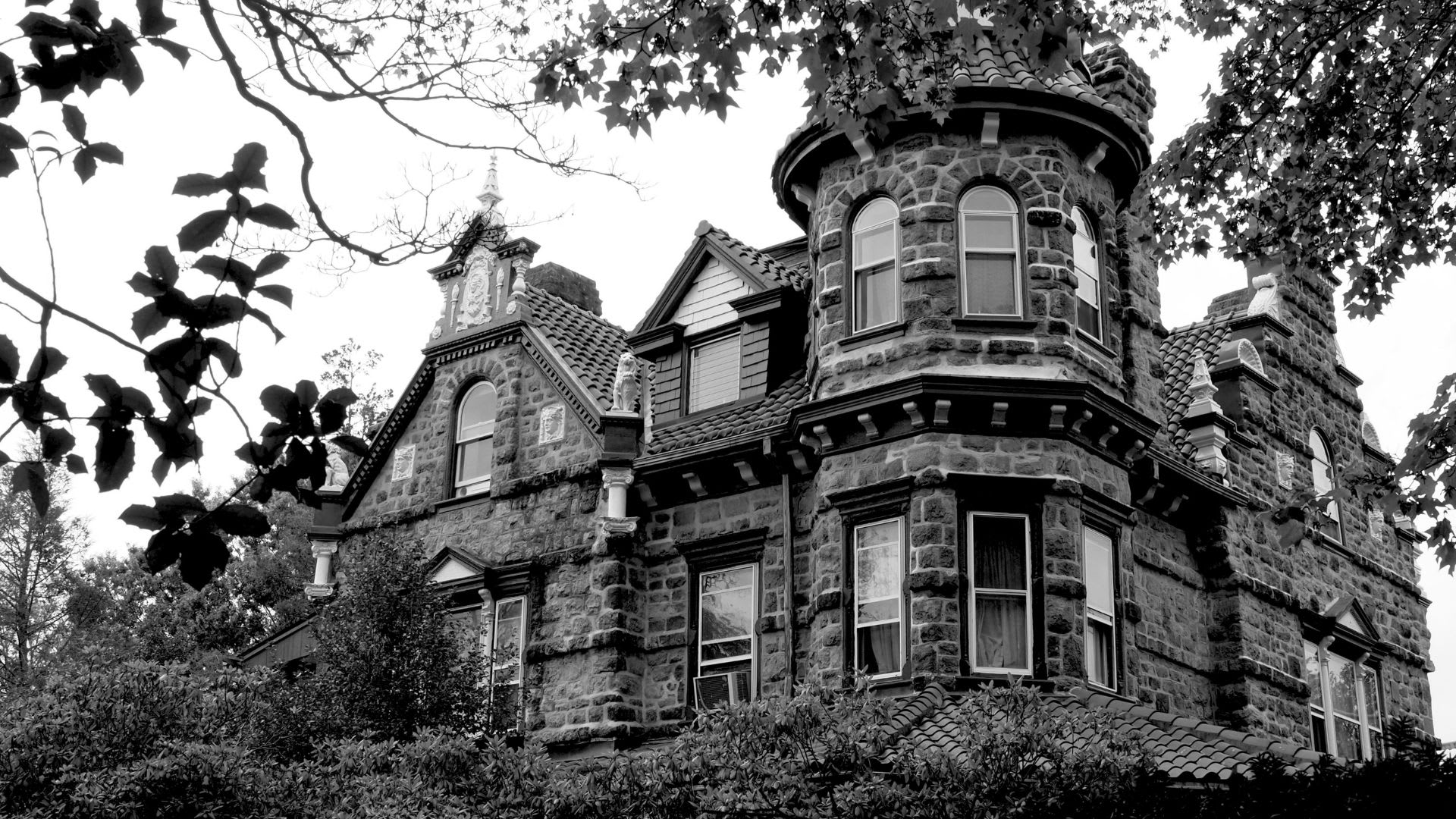
Summer is the right window to catch up on vacation home maintenance. Mild weather makes exterior work safer, and many problems left behind by winter are easiest to spot and fix now. A seasonal pass covers five priorities: inspect for freeze damage, clean gutters and downspouts, service outdoor systems such as docks, well pumps and irrigation, keep landscaping cut back, and inspect decks and docks for safety issues. The US had roughly 6.5 million second homes in 2022, about 4.6 percent of the housing stock, according to NAHB estimates, so seasonal upkeep is a common owner responsibility. Working through the list early prevents small issues from turning into expensive repairs.
Key takeaways
- Summer is the easiest season to catch winter damage and complete exterior maintenance.
- Five priorities cover most of the work: freeze damage, gutters and downspouts, outdoor systems, landscaping and deck and dock safety.
- The US had about 6.5 million second homes in 2022, roughly 4.6 percent of the housing stock, according to NAHB estimates.
- Lakeside and mountain homes need extra attention to docks, well pumps, septic systems and fire-prone vegetation.
- Owners who visit rarely often hire a local manager to handle inspections and repairs between trips.
What summer maintenance does a vacation home need?
A vacation home needs the same care as a primary residence, with extra attention to the months it sits empty. Properties left vacant through winter accumulate issues that go unnoticed, from frozen pipe damage to clogged gutters and overgrown landscaping. A summer maintenance pass should cover five core areas: freeze and water damage from the cold season, gutters and downspouts, outdoor systems like docks, well pumps and irrigation, landscaping upkeep, and the safety of decks and docks. Lakeside and mountain properties carry added concerns around water, septic and fire-prone vegetation. Owners who visit infrequently benefit from a written checklist and a record of when each task was last completed, since it is easy to lose track across a long off-season.
How do you check a vacation home for freeze damage?
Freeze damage usually shows up in plumbing, the roof and the foundation. Start with the water system. Turn supply back on slowly and watch for leaks at joints, under sinks and around the water heater, since frozen pipes can crack over winter and only leak once pressure returns. Check ceilings and walls for stains that point to roof or pipe leaks. Inspect the roof for missing or lifted shingles and ice-damage along the eaves. Look at the foundation for new cracks from freeze-thaw movement. In colder regions, confirm that any pipes drained or winterized in fall were properly restored. Catching a small crack or slow leak in early summer is far cheaper than discovering water damage after it has spread through floors and walls.
Why clean gutters and downspouts in summer?
Gutters and downspouts move water away from the roof, walls and foundation, and they fail quietly when clogged. A winter and spring of leaves, needles and debris can block them, so summer cleaning clears the system before heavy storm season. Overflowing gutters send water down exterior walls and pool it near the foundation, which leads to rot, basement moisture and erosion over time. Flush the gutters, clear the downspouts and confirm water exits well away from the house. Check that brackets are secure and that no sections have pulled loose under the weight of debris or snow. On wooded lots, gutters fill faster and may need attention more than once a season. Gutter guards reduce buildup but still require periodic checks.
How do you service docks, well pumps and irrigation?
Outdoor systems often sit unused all winter and need a startup check before the season. For a well pump, confirm it powers on, holds pressure and delivers clean water, and watch for cycling or noise that signals a problem. For irrigation, turn the system on zone by zone, look for broken or clogged heads, leaks and lines damaged by frost, then adjust coverage so water reaches plantings and not the foundation or pavement. For a dock, check that it sits level, that hardware and anchoring are tight, and that any electrical or lighting is safe and grounded. Lakeside properties should also verify that boat lifts and ladders are secure. Complex or specialized systems, such as septic and lake-water intakes, are worth a professional service visit.
What landscaping keeps a vacation property safe and presentable?
Landscaping at a vacation home is about safety and curb appeal as much as appearance. Schedule regular grass cutting through the growing season, since an unattended lawn signals an empty property and can violate local ordinances. Trim trees and shrubs back from the roof, siding, power lines and chimney, where overhanging limbs cause damage in storms and drop debris into gutters. Clear vegetation away from the foundation to discourage moisture and pests. In wildfire-prone mountain and forest areas, maintaining defensible space by removing dead brush and keeping growth low near the structure is a safety priority. Owners who visit rarely usually arrange a recurring service, since landscaping is the task most likely to fall behind between trips.
How do you inspect decks and docks for safety?
Decks and docks take constant exposure to sun, water and temperature swings, which makes annual safety checks important. On a deck, walk the surface for soft, rotted or splintered boards, then test railings and stairs for movement. Check that the ledger board where the deck attaches to the house is solid and that fasteners are not corroded or pulling out, since ledger failure is a common cause of deck collapse. On a dock, inspect decking, posts and anchoring for rot and looseness, and confirm that any hardware, ladders and electrical fixtures are secure and corrosion-free. Look for protruding nails or screws. Address loose railings and weak boards before guests use the space, and call a professional if the underlying structure shows signs of failure.
Should you hire a property manager?
Owners who live far from a vacation home or visit only a few times a year often hire a property manager or caretaker to handle seasonal upkeep, inspections and emergencies. A local manager can run a maintenance checklist, coordinate landscaping and repairs, and respond to issues like storm damage or a failed pump before they worsen. Owners who rent the property out usually find management close to essential. A REMAX agent who specializes in resort and second-home properties can recommend reliable local managers, contractors and seasonal services in the area.
Frequently asked questions
How often should a vacation home be inspected?
At minimum, inspect a vacation home at the start and end of each season, with a thorough pass in summer when exterior work is easiest. Properties left vacant for long stretches benefit from periodic checks in between, either by the owner or a local caretaker, to catch leaks, pests and storm damage early.
What are the most common vacation home problems after winter?
Frozen and cracked pipes, roof and gutter damage, foundation cracks from freeze-thaw movement, pest intrusion and overgrown landscaping are the most common. Lakeside and mountain homes also see issues with docks, well pumps, septic systems and storm-damaged trees.
Does homeowners insurance cover a vacation home that sits vacant?
Coverage varies by policy and insurer. Many standard policies limit or exclude claims on homes left vacant beyond a set period, and some require a separate seasonal or vacant-property policy. Owners should confirm the specifics of their coverage with their insurer rather than assume a primary-home policy applies.
Do you need a property manager for a vacation home?
It is not required, but it helps for owners who live far away, visit rarely or rent the property out. A local manager handles inspections, maintenance and emergencies between visits. Owners who are nearby and visit often can usually manage upkeep themselves with a seasonal checklist.