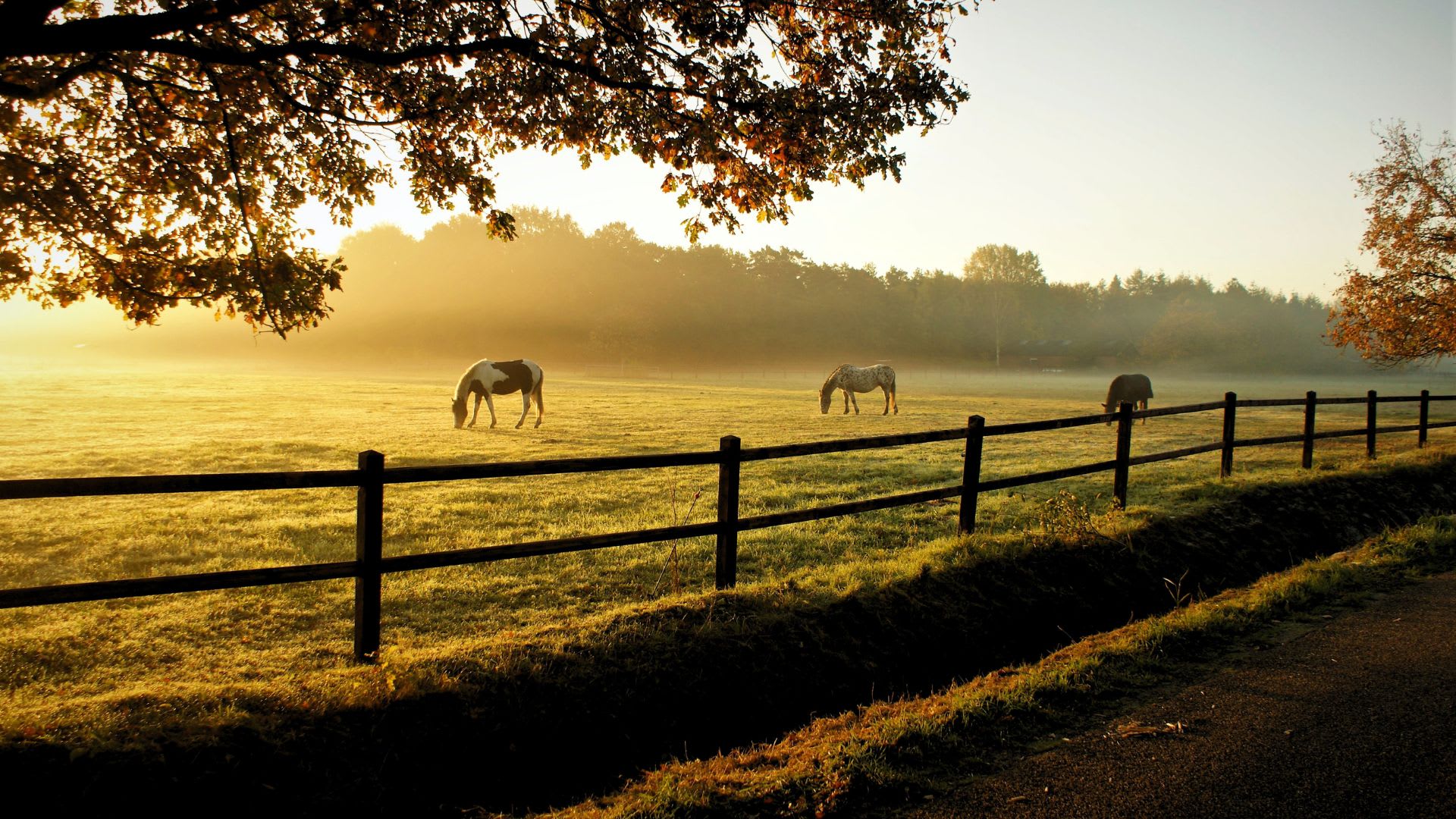
Private estates appeal to buyers who want more than a large house. They offer privacy, usable land, flexible space, and greater control over how a property is used. For some buyers, that means a guest house for the family. For others, it means room for horses, a studio, a pool, a garden, or simply more distance from nearby homes. In 2026, the strongest private estates are not defined by size alone. They combine a well-located parcel, a practical residence, reliable access, and manageable long-term costs.
Key Takeaways
- Private estates combine a substantial home with land, privacy, and room for additional uses.
- Buyers are often drawn to estate properties for security, flexible living, wellness space, and multigenerational needs.
- Location, access, zoning, title, water, insurance, and maintenance can matter as much as the home itself.
- Homes with acreage for sale may hold appeal because land near desirable areas is difficult to replace, but resale can take longer.
- The best purchase is one that fits the buyer’s lifestyle and remains practical to own, maintain, and sell.
What Counts as a Private Estate?
A private estate is generally a significant residence on a larger parcel of land, often with gated access, landscaped grounds, or secondary structures. Those structures may include a guest house, barn, workshop, pool house, studio, greenhouse, or staff accommodation. There is no universal acreage requirement. A property on two acres near a major city may feel more private than a rural property on ten acres with a public road running through it. That is why private estates and ordinary luxury homes are not always the same. A high-value penthouse may be luxurious, but it does not offer the land, separation, or range of uses associated with an estate.
Why Buyers Want More Space
Privacy and security are difficult to reproduce
High-end finishes can be added to many homes. Privacy is harder to create after purchase. Mature landscaping, a long driveway, controlled access, and distance from public roads can reduce noise and unwanted visibility. For public-facing buyers, business owners, or families with security concerns, that separation can carry real value.
Flexible work changed what location means
Remote and hybrid work made some buyers less dependent on a daily commute. That does not mean location no longer matters. It means buyers may define a good location differently. Instead of being ten minutes from an office, they may prefer reliable internet, airport access, strong local services, and enough land to support a home office or separate work building.
Families want a space that can change with them
Estate properties can support adult children, aging parents, guests, caregivers, or staff without forcing everyone into the same living area. A detached guest house or separate bedroom wing may also protect privacy better than simply adding more bedrooms to the main home. Buyers should still confirm whether local rules allow a secondary dwelling, short-term rental, or separate kitchen.
Land can support recreation and wellness
Luxury estate homes often attract buyers who want daily access to outdoor space. Pools, gardens, sports courts, trails, stables, workshops, and quiet areas for exercise can become part of the home rather than a separate destination. The practical question is whether the land is usable. Steep slopes, wetlands, flood risk, difficult soils, or conservation restrictions may limit what an owner can build or change.
What to Check Before Buying an Estate
Access, utilities, and essential services
A beautiful property can become frustrating if access is difficult or services are unreliable. Buyers should confirm who owns and maintains the road, whether there are shared driveways or easements, and how emergency vehicles reach the home. Internet speed, electricity, backup power, water source, septic capacity, waste collection, and winter road access may all affect daily life.
Title, boundaries, and land-use rules
A current survey can help confirm boundaries, structures, encroachments, and access points. Title review may reveal easements, rights of way, mineral interests, water rights, conservation agreements, or other restrictions. Zoning rules can affect barns, guest houses, home businesses, agricultural use, subdivisions, tree removal, and future additions. Buyers should have the appropriate legal and land-use professionals review these issues before removing conditions.
Operating costs
The purchase price is only one part of estate ownership. Landscaping, tree care, private roads, fencing, pools, wells, septic systems, security equipment, outbuildings, and specialty insurance can create high ongoing costs. Some properties also need full-time or seasonal staff. A detailed annual budget is more useful than a general estimate because two estates with the same price can have very different carrying costs.
Climate and insurance risk
Wildfire, hurricane, flood, wind, and water risks vary by market. Insurers may require inspections, mitigation work, larger deductibles, or separate coverage. Buyers should obtain insurance quotes early, not after the inspection period. They should also ask about drainage, defensible space, roof age, backup systems, and previous claims.
How Estate Properties Perform at Resale
Well-located estates can attract strong interest because privacy and usable land are limited. Still, the buyer pool is smaller than it is for a standard home. Each estate is also more difficult to compare with nearby sales. A highly personalized home, unusually large grounds, or costly specialty features may further narrow the market.
Properties with broad appeal usually have a comfortable main residence, clear access, practical bedroom and bathroom layouts, good natural light, and attractive land that is not overwhelming to maintain. Mature landscaping and well-kept secondary buildings can support value. Deferred maintenance, unclear permits, or complicated access can work against it.
How Sellers Can Position a Private Estate
Luxury real estate sales depend on more than polished photography. Buyers need to understand how the property works. A strong listing package may include a recent survey, floor plans, a site map, a list of upgrades, utility details, information about secondary structures, and clear notes on permitted uses. Marketing should show privacy and scale without making unsupported claims about investment returns or future development.
An agent who understands acreage and local luxury sales can help identify the most relevant comparable properties. That matters because estate pricing is rarely based on square footage alone. Land quality, access, views, improvements, condition, and proximity to services all shape the result.
Frequently Asked Questions
What is the difference between a luxury home and a private estate?
Price, design, finishes, amenities, or location usually define a luxury home. A private estate adds meaningful land, privacy, and often secondary structures. Many estates are luxury homes, but not all luxury homes are estates.
How much land is needed for an estate property?
There is no fixed rule. The right amount depends on location, privacy, topography, and intended use. A few well-planned acres near a city may provide more usable space than a much larger parcel with access or environmental limits.
Are homes with acreage a good investment?
They may hold value well when the location is strong, the land is usable, and ongoing costs are reasonable. Results vary by market. Buyers should assess the property as a home first and avoid relying on broad assumptions about appreciation.
Private Estates
The rise of private estates reflects a clear preference for space that can support more of daily life. The right property offers privacy, flexibility, and a strong connection to its land. It also comes with more due diligence and more responsibility. A local REMAX agent can help buyers compare luxury estate homes, review relevant market evidence, and assemble the right professionals before a decision is made.