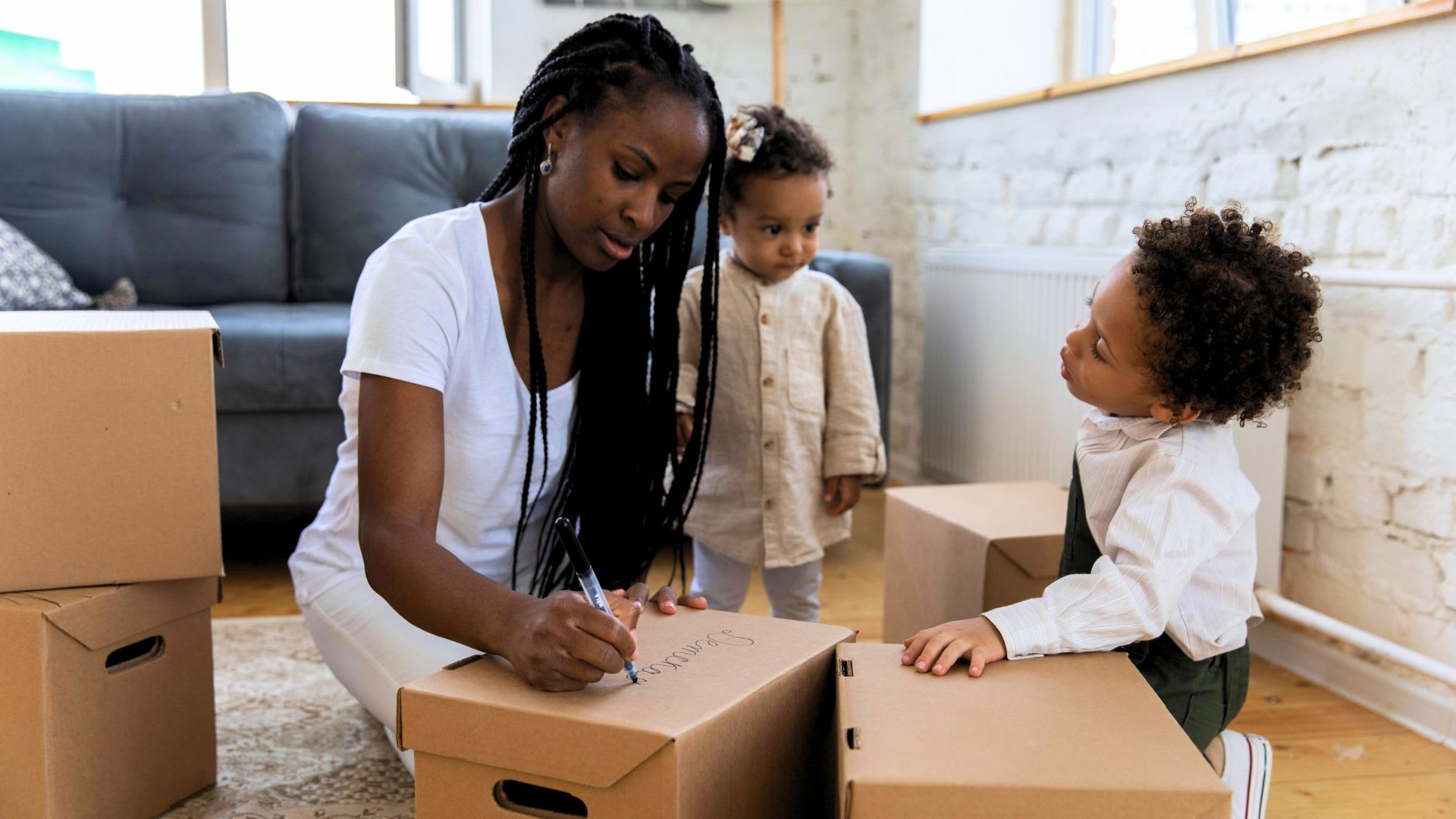
More single women are buying homes independently than in past decades. According to the National Association of REALTORS’ (NAR) 2025 Profile of Home Buyers and Sellers, single women accounted for 21% of U.S. homebuyers, compared with 9% for single men. They also represented 25% of first-time buyers.
For many women, buying a home on their own means choosing where and how they want to live without waiting for a partner. But purchasing with one income also requires careful budgeting, realistic expectations and a plan for ongoing expenses. Here’s what the data shows and what to consider when buying a home as a single woman.
Key Takeaways
- Single women made up 21% of U.S. homebuyers in NAR's 2025 Profile of Home Buyers and Sellers, the second-largest buyer group after married couples at 61%.
- Single women accounted for 25% of U.S. first-time homebuyers in 2025, compared with 10% for single men.
- A single woman can qualify for a mortgage on one income if she meets the lender's requirements for income, credit, debts and savings.
- Eligible first-time homebuyers, including single women and single mothers, may qualify for down payment assistance programs.
- A realistic budget for buying a home alone covers mortgage payments, maintenance and emergency savings.
What Does the Data Say About Single Women Homebuyers?
Single women are the second-largest homebuyer group after married couples, according to NAR’s 2025 buyer report. The report found that:
- 61% of buyers were married couples.
- 21% were single women.
- 9% were single men.
Among first-time buyers, single women accounted for 25%, compared with 10% for single men. This is part of a longer-term trend. NAR’s February 2026 analysis shows that single women represented 11% of buyers in 1981 and 21% in 2025.
The share has fluctuated over time, but women buying homes independently have remained an important part of the U.S. housing market.
Why Are More Women Buying Homes Independently?
Women buy homes on their own for different reasons. Some want long-term housing stability, while others want more control over their living arrangements or a property that meets their family’s needs.
Buying independently also means deciding on location, budget and property type based on personal priorities.
However, homeownership isn’t automatically the better financial choice. A single woman buying a home should weigh the benefits of ownership against mortgage payments, repairs, taxes and the flexibility of renting.
Can a Single Woman Buy a House on One Income?
Yes. A single woman can qualify for a mortgage on one income if she meets the lender’s financial requirements.
Lenders generally consider income, credit history, existing debts, savings and the property’s eligibility. Under the Equal Credit Opportunity Act, lenders cannot discriminate against applicants based on sex or marital status, among other protected characteristics.
If you’re a first-time homebuyer and a single woman, start by reviewing your income and monthly expenses. Getting preapproved for a mortgage can help establish a possible borrowing range. However, the maximum loan amount isn’t necessarily what you should spend. Choose a payment that leaves room for savings, emergencies and everyday expenses.
What Costs Should Single Homebuyers Budget For?
A mortgage payment includes more than principal and interest. Your total housing budget may also need to cover:
- Property taxes and homeowners insurance
- Mortgage insurance, if applicable
- HOA or condo fees
- Utilities and routine maintenance
- Emergency repairs
These expenses can make a home less affordable than its listing price suggests. Review the monthly costs of moving from renting to owning and create a first-year homeownership budget before making an offer.
Single-Income Monthly Housing Cost Check
Add up the full monthly cost of a home and see how much of one take-home paycheck it uses.
- Total monthly housing cost
- $2,350
- Share of take-home pay
- 39%
- Left for everything else
- $3,650
Example: $1,600 for principal and interest, $400 for taxes and insurance and $350 for utilities and maintenance adds up to $2,350 a month. On $6,000 of take-home pay, that uses 39% and leaves $3,650 for savings, debts and living costs. Estimates only; confirm figures with your agent and lender.
Home Buying Tips for Single Women
Buying a home independently can be manageable with the right financial preparation. These steps can help you make informed decisions.
Set a Realistic Budget
Base your budget on take-home pay, existing debts and regular living expenses. Account for retirement savings, healthcare, transportation and other financial responsibilities. Keep enough savings available after closing to handle unexpected costs.
Compare Mortgage and Down Payment Options
You don’t always need 20% down to buy a house.
Some conventional and government-backed mortgage programs allow eligible borrowers to make smaller down payments. However, mortgage insurance and other loan costs may apply. Ask lenders to compare your estimated payments under different down payment scenarios. Also review closing costs so you know how much cash you’ll need.
Choose a Home You Can Maintain
Consider more than the number of bedrooms or the home’s appearance.
Check the age of major systems, expected repair costs, commute, property taxes and any HOA fees. A smaller home with manageable expenses may fit better than a larger property that stretches your budget.
Schedule a professional home inspection to identify potential problems before closing.
Work With Experienced Professionals
A real estate agent, mortgage lender, inspector and closing professional can help you understand each stage of the purchase. Ask questions about financing, property conditions and contract terms. Before submitting an offer, review how to make an offer on a house and discuss the risks of waiving important protections.
Home Buying Tips for Single Mothers in the USA
For a single mom and first-time homebuyer, finding the right property means balancing affordability with everyday family needs. Consider school and childcare travel times, commuting costs, home maintenance and how your monthly expenses could change.
A few priorities can make the search easier:
- Protect your savings. Leave room for childcare expenses, emergencies and repairs.
- Compare total housing costs. Include taxes, insurance, utilities and maintenance.
- Explore assistance programs. Check state and local first-time buyer programs based on your income, location and eligibility.
A first-time female homebuyer may qualify for the same mortgage and assistance programs available to other eligible buyers. Single-parent status alone does not guarantee financial assistance.
What Year Could Women Buy a Home Without a Man?
No single year marks when all American women first gained the legal right to own property. Property ownership laws changed over time and differed by state.
However, 1974 marked a major milestone in access to mortgages.
The Equal Credit Opportunity Act, enacted that year, prohibited discrimination in lending based on sex or marital status, among other factors. Before these protections, women could face discriminatory mortgage practices, including pressure to involve a husband or male relative in financing.
The law did not create women’s right to own property. Instead, it strengthened their legal protections when applying for credit independently.
Buying a Home on Your Own Starts with the Right Plan
Buying a home as a single woman is possible on one income, but affordability matters more than how much a lender will approve. Start by reviewing your finances, comparing mortgage options and choosing a property you can comfortably maintain. Keep enough savings for closing costs and unexpected expenses.
A local REMAX agent can help you compare homes, understand local market conditions and find a property that fits your budget and long-term plans.
Frequently Asked Questions
Can a single woman qualify for a mortgage?
Yes. A single woman can apply for a mortgage on her own. Approval depends on income, credit, debts, savings, loan requirements and the property.
What percentage of homebuyers are single women?
Single women represented 21% of all buyers and 25% of first-time buyers in NAR's 2025 Profile of Home Buyers and Sellers.
Are there first-time homebuyer programs for single mothers?
Yes, eligible single mothers may qualify for federal, state or local homebuyer assistance programs. Availability and requirements depend on the program, income, location and other factors.
Does a single woman need 20% down to buy a home?
No. Some mortgage programs allow smaller down payments. Compare loan terms, mortgage insurance, closing costs and remaining savings before choosing an amount.
What is the biggest financial risk of buying a home alone?
One major risk is covering mortgage payments, maintenance and unexpected repairs without a second household income. A realistic budget and emergency savings can help reduce that risk.