REMAX / Stories That Move You
Contest Winner · Connecticut
A REMAX homeowner story
How Sue Ann Found an Accessible Home After 7 Years
After seven years of searching, a Connecticut couple found a single-level ranch that fits his mobility needs, thanks to a seller who remembered a name.

At a glance
Lessons Learned
- The challengeSue Ann and her husband spent about seven years searching Connecticut for a single-level ranch that worked with his limited mobility, and they were outbid on several homes along the way.
- What helpedTheir REMAX agent got them inside the Connecticut ranch the day it was listed, stayed in constant contact and kept them steady while they waited on their offer.
- The resultThe seller, who also has a disability, canceled his open house and accepted their offer after recognizing her husband's name from high school.
Thinking about a move of your own? A local REMAX agent can walk you through every step.
Most home searches start with a budget and a list of neighborhoods. Sue Ann's started with a floor plan: one level, no stairs to climb and enough room for her husband, who has limited mobility, to get around. In Connecticut, that kind of house does not sit on the market for long.
Sue Ann and her husband searched for about seven years. They wanted a ranch closer to their children. They lost bid after bid when the market heated up, and at one point Sue Ann started driving through the neighborhoods she wanted, just to see what might come up. Her story is one of the winners of the REMAX Stories That Move You Contest, and it shows how preparation, persistence and a steady agent came together at the right moment. Buyers who suspect their current place no longer fits can start with these signs you've outgrown your current home.
In Sue Ann's Words: "If That Goes on the Market, I Want to Look at It"
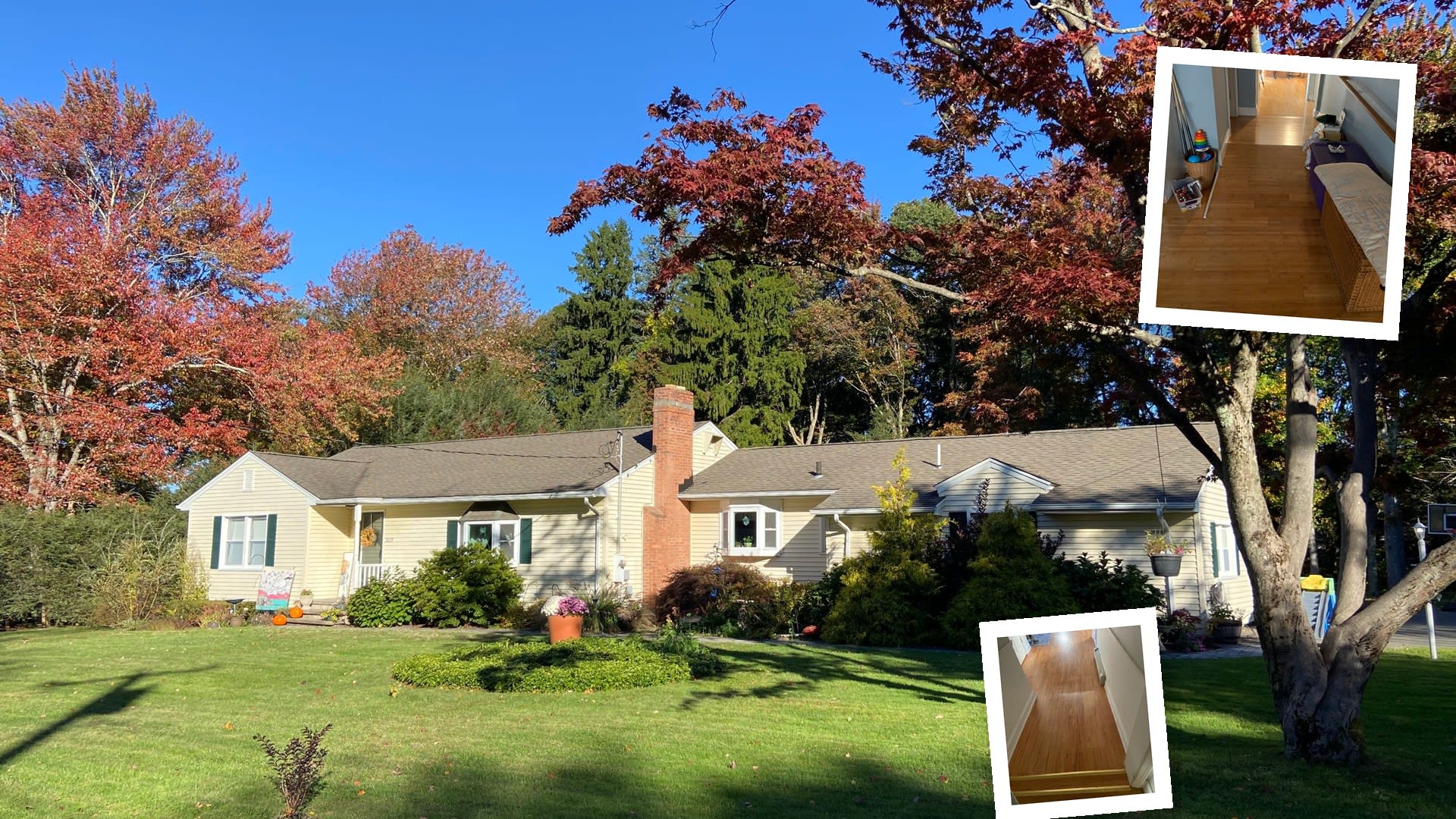
We had been looking for more than seven years for a house that would suit our needs due to mobility issues. We needed one-level living, so a ranch style was a must. My husband and I would take drives through neighborhoods that we were interested in as well as checking the online sites daily. One day I saw a house and said to my husband, "If that goes on the market, I want to look at it." The next day it was listed. We called our agent and got in to look at it that day. It was perfect, even accessible, which was a big plus since my husband is limited in his mobility.
It had an open house scheduled for that weekend. We had been outbid on several properties, so we made a bid that was generously over asking. We waited and waited. I was getting discouraged, but my agent told me not to get dejected. She knew something we didn't. Turns out the seller, who is also disabled, remembered my husband from high school. When the seller saw his name on the bid, he told his agent to cancel the open house. He was going to sell to us! We are so lucky and love the house and the town we moved to.
Her journey
Seven Years to the Right Ranch
Follow Sue Ann's search from the first showing to moving in.
The search begins
Sue Ann and her husband start looking for a single-level ranch that works with his limited mobility and sits closer to their children.
Click each point on the timeline.
"She was in constant contact. She was telling me over and over not to worry. And she was so patient, meeting me at all the different houses I wanted to look at."
Sue Ann's search played out in one of the country's tightest regions for buyers. Connecticut buyers facing multiple offers can see why Hartford ranks among the hottest seller's markets in 2026.
What Makes a Home Accessible for Someone With Limited Mobility?
An accessible home lets a person with limited mobility get in the door, move between rooms and use the kitchen, bathroom and laundry without stairs or tight spaces in the way. Common features include a no-step entry, single-floor living, wide doorways and hallways, a bathroom with grab bars and switches and controls within reach.
Know what to look for
Accessible Features, Room by Room
Click each room to see what to look for on a showing.
Entry
Look for at least one no-step entry from the driveway, garage or sidewalk, or room to add a ramp. A covered entry and good lighting help in bad weather.
The ranch Sue Ann found checked those boxes. Everything sits on one level, including the laundry, and ramps connect the house to the garage and the yard. For a couple managing mobility needs, that layout turned a long list of daily obstacles into a home that simply works.

Homes like that are hard to find. HUD's analysis of the 2011 American Housing Survey found that about one-third of U.S. homes are potentially modifiable, fewer than 5% are livable for people with moderate mobility difficulties and fewer than 1% are wheelchair accessible. The need is much larger: a HUD analysis of 2019 American Housing Survey data found that about 13% of U.S. households, or almost 16 million, include someone who uses a mobility device such as a cane, walker or wheelchair.
By the numbers
How Many U.S. Homes Are Accessible?
Share of U.S. housing units by accessibility level, from HUD's analysis of the American Housing Survey
| Accessibility level | Share of homes | |
|---|---|---|
| Potentially modifiableSome key features, such as a no-step entry, but not fully accessible | About33% | |
| Livable with moderate mobility difficultiesAdds features such as no steps between rooms and an accessible bathroom | Under5% | |
| Wheelchair accessibleAdds wheelchair-accessible kitchen, controls and switches | Under1% |
Source: U.S. Department of Housing and Urban Development, Accessibility of America's Housing Stock: Analysis of the 2011 American Housing Survey (2015). Bars are scaled for readability.
Why Single-Level Homes Are So Competitive
Single-level homes draw interest from more than one kind of buyer. People with mobility needs want them, and so do buyers who plan to stay in their home as they age. When inventory is tight, that overlap means more competition for the same small group of listings.
Sue Ann felt that pressure firsthand. She and her husband put in offers on several ranches and were outbid each time. Instead of waiting for the right listing to find them, she checked new listings every morning and drove the streets she wanted to live on. That habit is why she spotted the house before the sign went up, and why her agent could get the couple inside on the first day.
Speed matters in a market like that, and it only works when the paperwork is ready. A buyer who has a pre-approval in hand, a clear budget and an agent who can schedule showings on short notice is in a position to act the day a fitting home appears.
How Sue Ann's Agent Kept the Deal on Track
Sue Ann describes her agent as the steady voice through every part of the search. A few things stood out:
- Fast access. When the house was listed, the agent got the couple in that same morning, and they made an offer that afternoon.
- Constant contact. During the quiet days after the offer went in, the agent checked in often and told Sue Ann not to worry. In Sue Ann's words, her agent said, "Don't worry about it. Keep the faith."
- Patience at showings. Over years of searching, the agent met Sue Ann at every house she wanted to see, including the ones that did not work out.
- Proactive searching. The agent looked for fitting homes alongside the couple instead of only reacting to listings they sent.
The inspection showed the same balance. The seller offered to take care of everything on the list, but Sue Ann chose to focus on three major ones and handle the smaller fixes herself over time. Knowing how to read a home inspection report makes it easier to separate true dealbreakers from routine upkeep, and buyers can also learn the limits and rules for seller concessions before they negotiate repairs.
Try it
Build Your Accessible Home Must-Have List
Check the features your household cannot live without. Share the list with your agent before your first showing so they can screen listings for you.
Pick your must-haves above to build your list.
Lessons for Buyers With Accessibility Needs
- Write down the non-negotiables early. A clear list of must-have features, such as a no-step entry or a main-floor bedroom and bathroom, helps an agent rule homes in or out quickly.
- Be ready to move the day a home is listed. Accessible homes are scarce, so a pre-approval and an agent who can schedule same-day showings give a buyer a real chance.
- Separate dealbreakers from fixes. Sue Ann focused on three major inspection items and let the rest go, which kept the sale moving.
- Consider homes that can be modified. About one-third of U.S. homes have some accessibility features, so a home with a stepless entry and main-floor living may be easier to adapt than one that needs major changes.
Today, Sue Ann's favorite part of the home is the neighborhood. It is quiet, the neighbors are friendly and the house sits about halfway between both of their children, which makes frequent babysitting easy. After seven years of searching, the couple has a home that fits their needs now and the life they want around it.
Your move
Ready to Start Your Own Story?
A local agent can help you find a home that fits how you live, whether you are just looking or ready to make an offer.
FAQ
Common Questions About Buying an Accessible Home
What features make a home wheelchair accessible?
A wheelchair-accessible home typically has a no-step entry, single-floor living, wide doorways and hallways, an accessible bathroom with grab bars and a kitchen with counters, cabinets and controls a wheelchair user can reach. HUD's housing research uses these features to separate homes that are potentially modifiable from homes that are fully wheelchair accessible.
How rare are accessible homes in the U.S.?
Accessible homes are uncommon. HUD's analysis of the 2011 American Housing Survey found that about one-third of U.S. homes are potentially modifiable, fewer than 5% are livable for people with moderate mobility difficulties and fewer than 1% are wheelchair accessible.
Is a ranch-style home a good fit for someone with limited mobility?
A ranch-style home can be a strong fit because the bedrooms, bathrooms, kitchen and often the laundry sit on one level. Buyers should still check for steps at the entry, door and hallway widths and bathroom layout, since a single story alone does not make a home fully accessible.
Can a REMAX agent help me find an accessible home?
A REMAX agent can screen listings against a buyer's must-have list, schedule showings quickly when a fitting home comes up and help weigh which features are dealbreakers and which can be added after closing. Sharing accessibility needs at the first meeting helps an agent focus the search.
More to explore
Keep Exploring
This is Sue Ann's original story as submitted to the REMAX Stories That Move You Contest. It has been edited only for spelling and grammar and is published with permission.