Key Takeaways
- Older vacant properties, especially ones that have been sitting on the market, frequently hold personal items left behind during an estate clean out. These can range from documents and photographs to military memorabilia and sometimes even cremated remains.
- A slow pre-listing walk-through of every room, closet and storage area is the only reliable way to find them.
- Anything unexpected should be photographed in place and left where it is until ownership is confirmed.
- Funeral homes, estate representatives and county veterans service offices are usually the fastest routes back to a family.
- Abandoned property rules vary by state, so confirm requirements with the broker before disposing of anything.
- Listing photography belongs at the end of the process, after the property is fully cleared and secured.
A Box on the Third Floor
Preparing a vacant property for market usually follows a predictable sequence. Confirm the utilities are on. Look for water stains. Get the lawn cut and the windows washed before the photographer shows up. Opening a third-floor closet and finding a person is not part of the sequence.
REMAX agent Deborah G. was getting a vacant multi-family in Providence, Rhode Island ready to list when she opened a closet on the third floor and found cremated remains. The container identified them as belonging to a Mr. Johnson and listed the funeral home that had handled the arrangements. There was no note, no urn on a mantel, no indication anyone had visited the shelf in a long time. Just a box that had outlasted whoever put it there.
She made a note and finished the walk-through.
A week later she came back with the photographer. The remains were on the first floor.
“Cannot explain for the life of me what happened.”
Deborah G., REMAX agent
Nothing else in the building had moved. She called the funeral director named on the container and worked out how to get Mr. Johnson home, which is how a listing appointment turned into a search for a family.
Whether there was a logical explanation or not, the experience is a reminder that every property has a story, and some of those stories surface when nobody is looking for them. It is also a reminder that the unglamorous part of listing prep, the slow walk through rooms nobody has used in months, is doing more work than it gets credit for.
Vacant Properties Can Hold Surprises
A house does not need a ghost to unsettle you. Vacant properties usually happen after the end of a long chain of events. A death in the family. A divorce. A foreclosure. An estate clean out that ran out of time and energy before it ran out of rooms. A property often passes through several sets of hands before it reaches the market, and none of those hands held the full picture of what sat inside.
Featured Listing
Nothing else in the building had moved. She called the funeral director named on the container and worked out how to get Mr. Johnson home, which is how a listing appointment turned into a search for a family.
Whether there was a logical explanation or not, the experience is a reminder that every property has a story, and some of those stories surface when nobody is looking for them. It is also a reminder that the unglamorous part of listing prep, the slow walk through rooms nobody has used in months, is doing more work than it gets credit for.
Vacant Properties Can Hold Surprises
A house does not need a ghost to unsettle you. Vacant properties usually happen after the end of a long chain of events. A death in the family. A divorce. A foreclosure. An estate clean out that ran out of time and energy before it ran out of rooms. A property often passes through several sets of hands before it reaches the market, and none of those hands held the full picture of what sat inside.
What stays behind is rarely random. Someone sells the furniture. Someone hauls the appliances. What remains tends to be the category nobody could resolve: things too personal to throw out, too heavy to move, or too complicated to divide among heirs who live in three different states. Families working through an estate often face this exact problem, which is one reason so many inherited properties end up sold as-is with contents still in place.
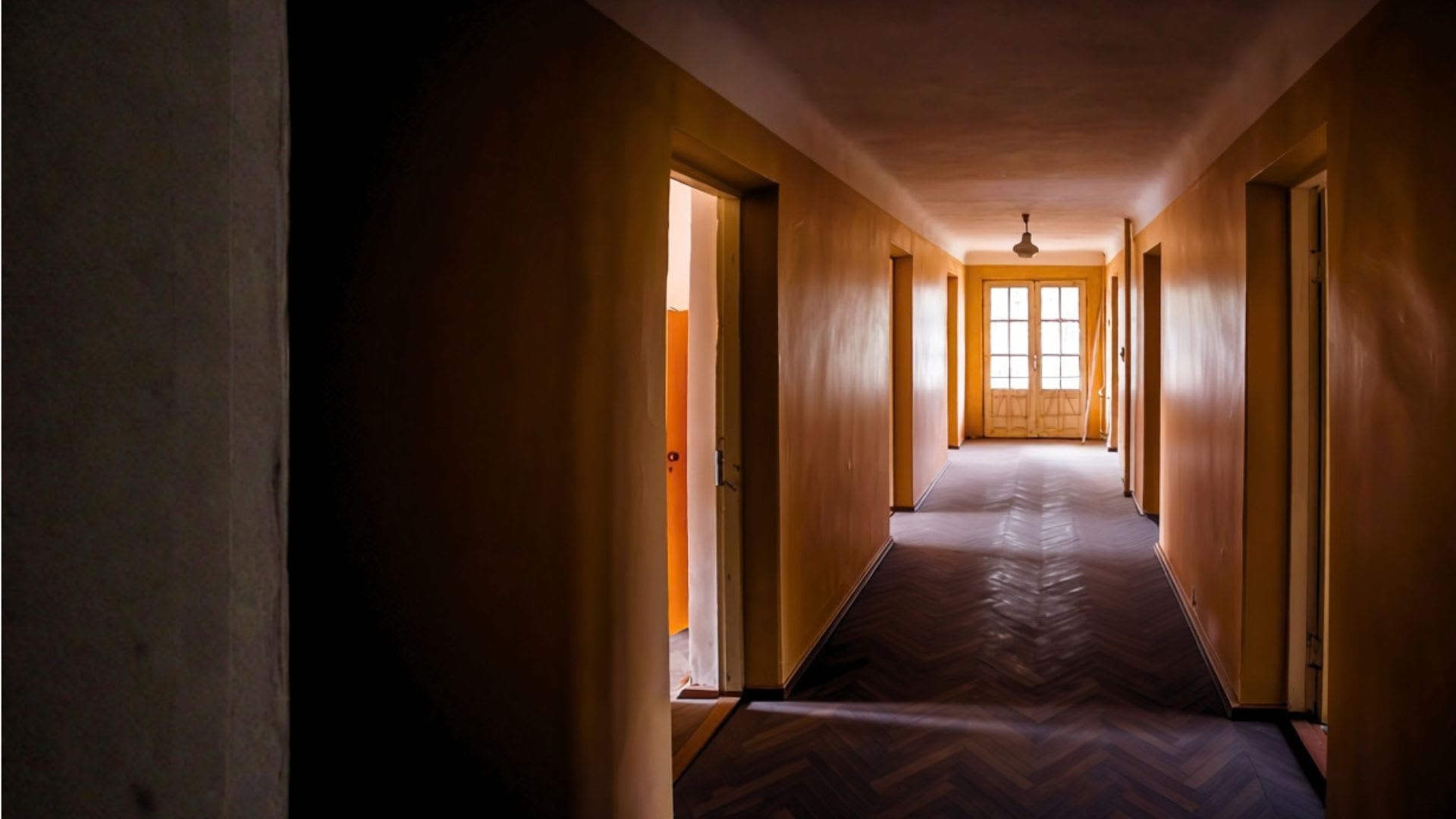
Common finds include family photo albums and loose photographs, birth certificates, deeds, tax records and old correspondence, military medals, uniforms and discharge papers, rings and watches mixed into junk drawers, trophies and handwritten letters, and memorial items including urns and cremated remains.
The Category Nobody Expects
That last category surprises people, but unclaimed cremated remains are common enough that many funeral homes store them for years. Families who claimed remains years ago sometimes leave them behind anyway during a move, a downsize or a fast estate settlement. Most funeral homes return cremated remains in a plain plastic or cardboard container about the size of a shoebox, so the thing on the shelf looks like nothing in particular. Someone clearing the house in a hurry has no obvious reason to open it.
A careful property review before listing prevents emotional and legal complications later. It takes far less time now than resolving those complications once a property is already on the market. The cost of looking is an afternoon. The cost of not looking can be a canceled photo shoot, an uncomfortable phone call to a seller or a conversation with a family who did not know where their father was.
Staging Inspiration: A Victorian Home, Room by Room


Why Pre-Listing Walk-Throughs Matter
The pre-listing walk-through is the only step in the process where an agent is looking at the property instead of marketing it. Everything after that point assumes the house is ready. Pricing assumes it. Photography assumes it. Showings assume it. Miss something and it stays missed until a buyer, an inspector or a camera finds it, and by then the discovery happens in front of an audience.
It also sets the tone for the rest of the transaction. Sellers who watch an agent open every cabinet on day one tend to trust that same agent’s read on pricing and repairs. The habit pays off again at the end of the deal, when the final walkthrough confirms the property is in the condition everyone agreed to.
Check Every Room, Closet and Storage Area
Forgotten belongings collect in the parts of a house people stop visiting: attics and attic crawl spaces, basements behind furnaces and under stairs, utility areas, linen and coat closets, built-in cabinets, detached garages and sheds, cabinets above the refrigerator and the dead space inside kitchen islands. In a multi-family property the problem compounds, since each unit has its own storage and shared spaces tend to accumulate items from every tenant who ever lived there.
Open the doors. Open the boxes. A sealed container in an empty house is worth ten seconds. Bring a flashlight even in daylight. Vacant properties often run without power, and the darkest corners hold the most.
Look Beyond “Trash”
A dented shoebox. A grocery bag of papers. A plain wooden box on a high shelf. Items that read as debris during a fast walk-through can turn out to be the only surviving copy of something a family has been searching for. You can replace vital records for a fee and some paperwork. Nothing replaces photographs, letters and service records.
Sorting slowly is the difference between clearing a house and discarding someone’s history. It also protects the agent. Once the dumpster leaves the curb, nobody can prove what went into it, and nobody can recover the thing a seller remembers two weeks later.
Document Unusual Discoveries
Photograph and log anything that could matter later: items of apparent monetary value, identification and legal documents, photographs and family records, firearms, ammunition and medications, and anything connected to a death or memorial.
Date the photos. Note where you found each item and who else stood in the room. A short note in the file takes two minutes and answers every question that could come up later about where something went, who handled it and when. Documentation protects the agent, the seller and anyone who later asks.
What To Do If You Find Personal Belongings
The instinct in the moment usually says to move the item somewhere safer. The better first step leaves it exactly where it sits, photographs it in place and starts the phone calls. Location is information. Move the item first and the only record of where it sat lives in someone’s memory.
What happens next depends on what turned up.
Found Item Response Guide
What turns up in a vacant property, why it matters and where to start.
| What You Find | Why It Matters | First Step |
|---|---|---|
| Cremated remains or urns | Many states regulate who may take possession and how remains may be transported. | Photograph in place, then contact the funeral home named on the container. |
| Medals, burial flags, discharge papers | Service records are traceable to descendants and cannot be replaced once discarded. | Set aside and contact a county veterans service office. |
| Birth certificates, deeds, tax records | Discarded documents carry a real identity theft risk. | Seal separately and return to the seller or executor. |
| Photographs, letters, albums | No copy exists anywhere else. | Box, label and hand to the estate representative. |
| Jewelry, watches, coins | Monetary value creates liability for whoever was last in the house. | Photograph, log the location and note who was present. |
| Firearms, ammunition, medications | Handling and disposal are governed by safety and legal requirements. | Do not move anything. Notify the broker immediately. |
Make Every Reasonable Effort to Locate the Owner
Start with the paper trail already in the house. Contact the seller or listing client first, then the estate representative, executor or trustee. Check labels, engravings, funeral home names and shipping records. Search public records for surviving family.
Funeral homes keep detailed records and often offer the fastest route back to a family, since the name on the container ties directly to a file naming next of kin. That is how Mr. Johnson got home. For military items, veterans organizations and county veterans service offices frequently help reunite medals and discharge papers with descendants.
Handle Sensitive Items With Care
Cremated remains, burial flags, service records, photographs, personal correspondence and religious objects carry weight well beyond their resale value. Store these separately from anything headed for a dumpster or a donation pile, ideally in a labeled box that stays with one person rather than moving between crews. Keep them out of staged rooms and out of listing photos. If a cleanout company is doing the work, tell them in advance what to set aside instead of assuming they will recognize it.
Understand Local Requirements
Abandoned property rules vary by state and sometimes by municipality. Cremated remains carry their own restrictions in many states, including rules on who may take possession and how far anyone may carry them. Before disposing of anything, confirm the state’s abandoned property statute and notice requirements, any estate or lease obligations still attached to the property, and brokerage policy on handling, storing and releasing found items.
When ownership is unclear, the move is to ask the broker and, if needed, an attorney. Not to guess. Most brokerages have handled some version of this before and have a process ready, which is faster than improvising one.
Preparing a Vacant Property for Market
Everything above is a subset of a larger job. A vacant property needs more preparation than an occupied one, not less, because there is no one living there to notice a leak, flag a broken lock or keep the space looking maintained between showings. The broader process of getting a home ready to sell applies here with a few extra steps layered on.
Complete a Deep Inspection
Empty and cleared are two different conditions. A property can look finished from the doorway and still hold a full attic. Walk it room by room with the lights on, ideally twice and on two different days, since the second pass consistently turns up what the first one skipped.
Sellers who want to know what a buyer’s inspector is likely to flag can work backward from a standard home inspection checklist and address the obvious items before the property goes live. Problems found early are repairs. The same problems found during a contingency period are negotiations.

Remove Leftover Belongings
Buyers read leftover items as unresolved. A half-emptied basement raises questions about what else nobody finished, and those questions tend to attach themselves to the roof, the furnace and the seller’s motivation. Clearing the property gives photos a clean canvas and gives showings a straight path through every room.
An empty house is not automatically an appealing one, though. Bare rooms photograph smaller than furnished rooms and give buyers nothing to anchor scale against. Once the property sits genuinely empty, light staging on a budget or a virtual approach closes that gap.
Address Safety Concerns
Vacant homes deteriorate faster than occupied ones because nobody is there to catch small problems early. A slow leak runs for months instead of hours. Check for active leaks, water staining and standing water, mold, pests and rodent activity, nonfunctioning smoke and carbon monoxide detectors, broken locks and unsecured windows and basement access points, and deferred maintenance on the roof, gutters and grading.
Seasonal upkeep matters more on a vacant property than a lived-in one, particularly in cold climates where an unheated house risks frozen pipes. A standard home maintenance checklist covers most of what needs attention while the property sits on the market.
Schedule Professional Photography Last
Photography is the final step, not a parallel one. Book a photographer before the property is clear and you pay for a shoot that may need to happen twice. Rescheduling one in a busy season can cost a week of market time. Whatever still sits in the house also ends up on the internet, where portals syndicate listing images within hours and nothing really comes back down.
Consider how Deborah’s listing could have gone. Had nobody walked the third floor before the shoot, a box of someone’s remains could have appeared in the background of a bedroom photo on a public listing site, and a stranger scrolling on a phone would have spotted it first.
Every Home Has a Story
Most listing preparation is cleaning, repairs and staging. Once in a while it is returning a stranger to his family.
Does your home have a story of its own? Maybe it’s an odd discovery in the attic, a history you uncovered after closing or a moment that made a house finally feel like home. We’d love to hear it. Share your story here.
“Strange things happen in real estate.”
Deborah G., REMAX agent
Frequently Asked Questions
What should a real estate agent do if they find cremated remains in a vacant property?
Leave the remains where they sit, document the location with dated photos and notify the seller or estate representative. Check the container for a funeral home name, then contact that funeral home directly. Many states regulate who may take possession of cremated remains, so confirm state rules and brokerage policy before moving or transporting anything.
Can leftover belongings in a vacant home be thrown away?
Not automatically. Abandoned property rules vary by state and sometimes by city, and some require written notice or a waiting period before disposal. Confirm who holds legal authority over the contents, usually the seller, executor or trustee, and get disposal instructions in writing.
What is most commonly left behind in vacant homes?
Photographs, personal and legal documents, military memorabilia, small jewelry, trophies and awards, and memorial items including urns and cremated remains. Items concentrate in attics, basements, crawl spaces, garages and high closet shelves.
When should listing photos be taken for a vacant property?
Book photos last, after a full walk-through, a complete cleanout and a lock check. Shooting early risks putting leftover belongings into published images and often forces a second shoot.
How should personal documents found in a home be handled?
Set them aside in a sealed container, log what turned up and where, and return them to the seller or estate representative. Documents such as birth certificates, deeds, military discharge papers and tax records carry identity theft risk and should never go into a dumpster or donation pile.